Acepromazine and the Whippet
It’s a common scenario: your beautiful Whippet needs a vet visit, perhaps for a dental cleaning, a minor procedure, or even just a particularly stressful nail trim. Your veterinarian suggests a sedative to keep them calm and still, and you hear the word “Acepromazine.” Immediately, a knot forms in your stomach. You’ve heard whispers, read forum posts, or been warned by fellow sighthound enthusiasts about certain medications and the unique sensitivities of our lean, deep-chested friends. This guide is here to shed light on Acepromazine specifically for Whippets, addressing those very real concerns and helping you navigate safe sedation options for your beloved companion.
Understanding Acepromazine: What It Is and Why Vets Use It
When it comes to veterinary medicine, a host of medications are used to ensure the comfort and safety of our pets during procedures or stressful situations. Acepromazine is one of the oldest and most widely known sedatives, but its use in Whippets often raises a red flag for owners. Let's delve into what this drug is and why it's historically been a go-to for many veterinarians.
The Role of Acepromazine in Veterinary Medicine
Acepromazine is a phenothiazine tranquilizer that has been a staple in veterinary practices for decades. Its primary effects are to calm, sedate, and relax muscles, making it useful for a variety of situations where a dog needs to be less anxious or still. Vets commonly use it as a pre-anesthetic agent to ease a dog into general anesthesia, reducing the amount of other anesthetic drugs needed. It's also employed for minor procedures like X-rays, wound care, or even extensive grooming, especially for dogs who are particularly stressed or uncooperative.
Beyond clinic procedures, Acepromazine sometimes gets prescribed for situational anxiety at home. Think about those dreaded thunderstorms, explosive fireworks displays, or long car rides that send some dogs into a panic. For these scenarios, a vet might suggest Acepromazine to help manage the fear and stress. Its anti-emetic (anti-vomiting) properties are an added benefit, particularly for car sickness. However, it's crucial to remember that while Acepromazine tranquilizes, it doesn't provide pain relief, so it's not suitable as a standalone medication for painful conditions.
The drug works by blocking dopamine receptors in the brain, which helps to reduce anxiety and produce a calming effect. It also causes vasodilation, meaning it widens blood vessels, leading to a drop in blood pressure. This effect, while part of its mechanism, is precisely where concerns for sighthound breeds like Whippets begin to emerge, as their unique physiology can react differently to these changes compared to other breeds.
Why Whippet Owners Might Be Concerned
If you're a Whippet owner, you're likely already acutely aware that your dog isn't "just another dog" when it comes to certain aspects of their health and care. This awareness is particularly heightened around anesthesia and sedation. There's a well-established understanding within the sighthound community that these breeds have unique metabolic pathways and a distinct lack of body fat, which can dramatically alter how they process certain medications. This is why discussions about topics like Why Anesthesia Is Riskier in a Whippet are so prevalent.
The concern with Acepromazine stems from this fundamental physiological difference. While it might be perfectly safe and effective for a Labrador or a Golden Retriever, a Whippet's lean build means they often have less body fat for drugs to distribute into, leading to higher concentrations in the bloodstream and prolonged effects. Owners fear that what is a standard dose for another breed could render their Whippet deeply sedated for an uncomfortably long time, or worse, lead to complications.
Many sighthound owners actively seek out veterinarians who are already familiar with these breed-specific sensitivities, often referred to as "sighthound-savvy" vets. The fear isn't just about a longer recovery; it's about the potential for more serious adverse reactions due to the drug's cardiovascular effects in an already finely tuned athletic body. This collective knowledge and shared anxiety among owners is completely valid and warrants a deeper look into the specific risks involved.
The Specific Risks of Acepromazine for Whippets
The unique physiology of Whippets, with their minimal body fat and distinct metabolism, means that what is considered a routine medication for many breeds can present significant challenges for them. Acepromazine is one such drug, and understanding these specific risks is paramount for responsible Whippet ownership.
Pronounced and Prolonged Sedation
One of the most frequently cited concerns about Acepromazine in Whippets is the potential for disproportionately long and deep sedation. Most owners have heard stories, or perhaps even experienced firsthand, How Slowly a Whippet Wakes From Sedation even with other medications. Acepromazine can amplify this effect dramatically. Because Whippets have very little body fat, drugs that are typically stored in fatty tissues and released slowly, or those that are metabolized more slowly due to their lean body mass, can linger in their system for extended periods.
This means that a dose of Acepromazine that would have a Golden Retriever drowsy for a few hours might leave a Whippet profoundly sedated for half a day or more. This isn't just an inconvenience; it can be incredibly distressing for owners to see their normally sprightly dog in such a state. The prolonged recovery can also affect their ability to regulate body temperature, eat, or drink, adding further complications to an already anxious situation.
The lack of fat also means there's less tissue for the drug to bind to, leading to a higher effective concentration circulating in their bloodstream for longer. This increased exposure prolongs the drug's tranquilizing effects, making recovery a slow, drawn-out process. Owners often report their Whippets feeling "off" for much longer than expected, sometimes even into the next day, which only adds to the worry and often necessitates closer monitoring at home.
Cardiovascular and Hypothermia Concerns
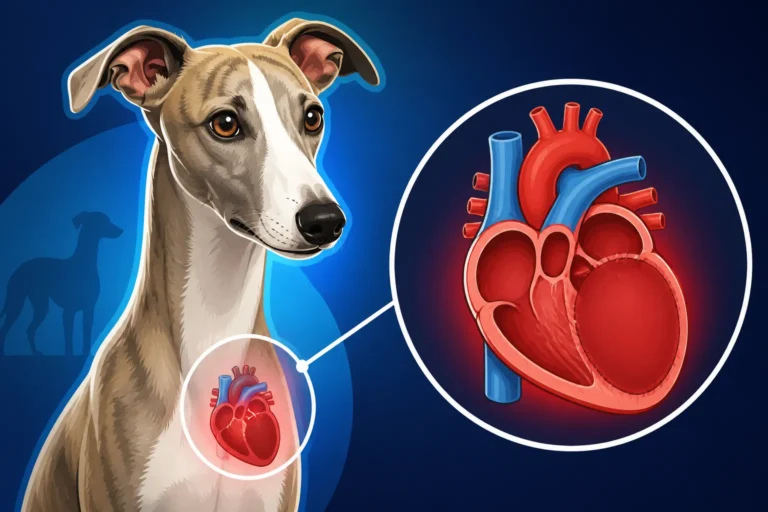
Beyond just prolonged sedation, Acepromazine can introduce specific cardiovascular risks that are particularly relevant to Whippets. As mentioned earlier, Acepromazine causes vasodilation, which means it makes blood vessels relax and widen. This leads to a drop in blood pressure. While a mild drop might be tolerated by many dogs, a significant decrease in a Whippet, whose system is designed for high performance, can be concerning. Low blood pressure can reduce blood flow to vital organs and can be difficult to manage, especially during a procedure.
Coupled with vasodilation, Whippets are inherently susceptible to hypothermia, which is the lowering of body temperature. This is largely due to their extremely low body fat and thin skin, which offers very little insulation. When a Whippet is sedated with Acepromazine, the vasodilation can cause further heat loss as blood vessels near the skin surface expand, radiating warmth away from the body. This becomes a serious issue because Why a Lean Whippet Loses Body Heat Under Anesthesia is already a known vulnerability. Hypothermia can then slow down the metabolism of the drug even further, perpetuating the cycle of prolonged sedation and compounding the recovery challenges.
For this reason, attentive thermal management, such as Warming a Whippet During Surgery using blankets or warming pads, is absolutely critical when any sedative or anesthetic is used. Additionally, while rare, some dogs can experience a paradoxical excitement or aggression instead of sedation when given Acepromazine, which is another risk factor to consider, though usually less common in the typically mild-mannered Whippet. Vets must be vigilant about monitoring a Whippet's blood pressure and temperature throughout the sedation period and during recovery to mitigate these risks effectively.
Lowering the Seizure Threshold and Other Adverse Effects
While often debated in current veterinary literature for healthy dogs, a historical concern with Acepromazine is its potential to lower the seizure threshold. This means that in animals already prone to seizures, it theoretically could increase the likelihood of one occurring. While Whippets are not typically a breed predisposed to idiopathic epilepsy, this remains a consideration for any dog with a history of seizure disorders, and it's a concern that owners might hear about when researching the drug.
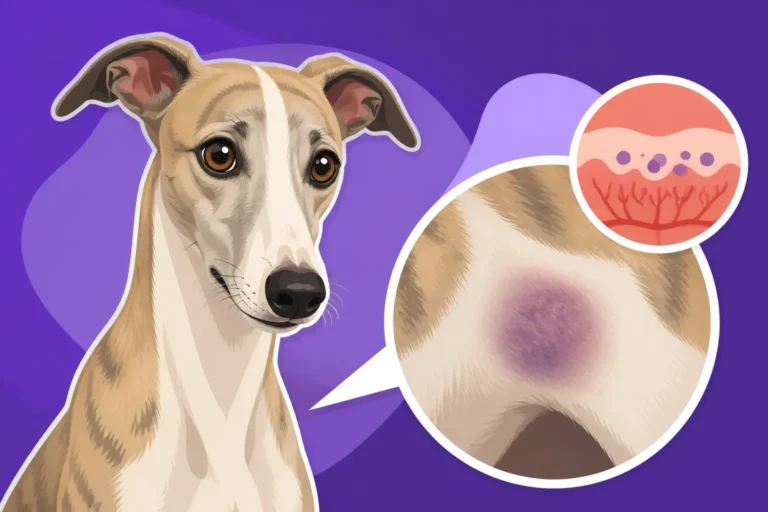
Beyond seizures, there are other adverse effects that Whippet owners should be aware of. One common, though usually harmless, side effect is the temporary protrusion of the third eyelid, giving your Whippet a sleepy, glazed-over look. This is a normal pharmacological response to the drug and typically resolves as the sedation wears off. More concerning effects include ataxia, or wobbliness and lack of coordination, which can make it difficult for your Whippet to stand or walk steadily. This requires careful handling to prevent falls or injuries during their recovery.
Given these potential reactions, especially the prolonged sedation and cardiovascular implications, it becomes clear that Acepromazine requires very careful consideration and precise dosing for Whippets. The goal is always to achieve the necessary level of sedation with the lowest possible risk, and for many sighthound owners and specialized veterinarians, this often means exploring alternatives or using Acepromazine at significantly reduced doses, focusing on the individual dog's health and specific needs.
Safer Alternatives and Best Practices for Whippets
Understanding the risks associated with Acepromazine for Whippets isn't about avoiding necessary medical care; it's about being informed and advocating for the safest possible options for your dog. Thankfully, veterinary medicine has evolved, and there are often alternatives and best practices that can minimize risks.
Exploring Alternative Sedation Options
For many procedures, especially those requiring deeper sedation or general anesthesia, veterinarians familiar with sighthound sensitivities often opt for different drug protocols entirely or use Acepromazine in significantly reduced doses as part of a multi-drug approach. For instance, for inducing anesthesia, drugs like Propofol as a Whippet's Safer Option are frequently chosen. Propofol is an ultra-short-acting intravenous anesthetic that allows for quick induction and rapid recovery, which is highly beneficial for sighthounds, giving vets more control over the depth and duration of unconsciousness.
Other sedatives that might be considered safer or used in combination protocols include benzodiazepines like midazolam or diazepam, which offer calming effects and muscle relaxation without the significant blood pressure drop associated with Acepromazine. Alpha-2 agonists such as dexmedetomidine are also increasingly used. While these can cause an initial increase in blood pressure followed by a drop, they are reversible with a specific antagonist, giving the veterinary team greater control over the sedation level and recovery time. The key here is often a balanced approach: using lower doses of multiple drugs to achieve the desired effect while minimizing the side effects of any single agent.
When discussing sedation or anesthesia with your vet, don't hesitate to ask about their specific sighthound anesthesia protocols. A vet who understands these nuances will be prepared to explain their chosen medications, how they will monitor your Whippet, and what to expect during recovery. Being proactive and informed will go a long way in ensuring your Whippet receives the safest possible care. Many insurance providers, like Healthy Paws, recognize the importance of comprehensive veterinary care and often cover these specialized protocols if they are deemed medically necessary, offering peace of mind.
Communicating With Your Sighthound-Savvy Vet
The single most impactful step you can take as a Whippet owner is to find and foster a strong relationship with a veterinarian who genuinely understands sighthounds. It’s not just a preference; it’s a necessity to have Whether a Whippet Needs a Vet Who Knows Sighthounds. These vets are familiar with the specific physiological differences that make our Whippets unique and will adapt their protocols accordingly, from anesthesia choices to dosing, and even post-operative care. They'll appreciate your informed questions and concerns about medications like Acepromazine.
When you have an upcoming procedure that requires sedation or anesthesia, schedule a pre-appointment chat with your vet. Discuss any past reactions your Whippet has had to medications, even seemingly minor ones. Express your concerns about Acepromazine specifically and ask what alternatives they recommend or if they use a modified dose for sighthounds. Inquire about their monitoring protocols: will they be actively tracking blood pressure, heart rate, oxygen levels, and temperature throughout the procedure and recovery? A good vet will be happy to walk you through these details, ensuring you feel comfortable and confident in the care your Whippet will receive.
Furthermore, always inquire about Whether a Whippet Needs Pre Anesthetic Bloodwork. This is a crucial step to ensure your Whippet's liver and kidney functions are optimal for metabolizing and excreting any drugs used. While a normal set of numbers for another breed might raise eyebrows for a sighthound (for example, Why a Whippet's Red Cell Count Runs High is often normal for them), a sighthound-savvy vet will know how to interpret these results correctly, helping to tailor the safest possible plan. This proactive communication is the cornerstone of excellent care for your unique companion.
Practical Tips for Managing Anxiety Without Heavy Sedation
While sometimes medication is unavoidable, many instances of anxiety, especially for routine appointments or travel, can be managed with non-pharmacological approaches. Environmental management is key: ensuring a comfortable, quiet space can make a world of difference. For vet visits, try bringing your Whippet's favorite blanket, toy, or even a treat-filled KONG to create positive associations and reduce stress. If possible, consider "happy visits" to the vet where no procedures are done, just positive reinforcement, so the clinic isn't always associated with fear.
Behavioral modification techniques, particularly positive reinforcement, can work wonders for anxiety. Desensitization to triggers, such as gradual exposure to car rides or the sounds of thunderstorms played at a low volume, paired with treats and praise, can help your Whippet build resilience over time. Consistency is vital, and starting these practices early can prevent anxiety from escalating. For issues like managing stress during car travel, a secure, comfortable crate covered with a familiar blanket can provide a den-like sense of security, sometimes negating the need for sedatives.
For mild to moderate anxiety, you might also explore natural calming aids such as pheromone diffusers (like Adaptil), calming supplements containing ingredients like L-theanine or Zylkene, or even veterinary-prescribed nutraceuticals. While these won't sedate your dog, they can help take the edge off their anxiety, making them more receptive to other calming strategies and less likely to require heavy pharmaceutical intervention. Always discuss these options with your vet to ensure they are appropriate and won't interact negatively with any other medications or conditions, especially as your Whippet gets older and enters the stage of Caring for a Whippet Past Ten.
Responsible Medication Use and Emergency Preparedness
Even with the best intentions and the most knowledgeable vet, there are times when medication like Acepromazine may be prescribed. Knowing how to administer it responsibly and what to do if an adverse reaction occurs is part of being a prepared Whippet owner.
Proper Dosing and Administration at Home
If your veterinarian determines that Acepromazine is the best option for your Whippet for a home-based anxiety trigger—like a known stressful event or travel—it’s absolutely critical to follow their dosing instructions to the letter. Do not, under any circumstances, adjust the dosage without direct consultation with your vet. Even a slightly higher dose, or a dose calculated for a different breed, could have profoundly different and dangerous effects on your Whippet. Remember, Which Drugs a Whippet Should Not Be Given or should be given cautiously, is paramount to your Whippet's well-being.
Administer the medication in a calm, safe, and quiet environment where your Whippet can relax without further stress. Make sure they have a comfortable, well-padded bed to lie on, as prolonged sedation might lead to pressure sores if they’re on a hard surface. After administration, observe your Whippet closely for the duration of the drug’s effects. Note how quickly it takes effect, the level of sedation achieved, and how long it lasts. This information is invaluable for your vet for future reference, allowing them to adjust protocols if needed.
Having pet insurance, like a policy from Healthy Paws, can be incredibly beneficial here. While routine sedation for travel might not be covered, if an unexpected adverse reaction occurs and your Whippet requires emergency veterinary care, the costs can quickly add up. A good insurance plan can help manage these unplanned expenses, allowing you to focus on your Whippet's recovery without the added financial stress. This consideration becomes even more important throughout The Twelve to Fifteen Years a Whippet Lives, as their needs change.
When to Seek Veterinary Attention After Sedation
Even when administered correctly, it’s vital to be vigilant and know the signs that warrant immediate veterinary attention after your Whippet has received Acepromazine or any other sedative. While mild lethargy and wobbliness are expected, certain symptoms are red flags that should prompt a call to your vet or an emergency clinic right away.
Look out for excessive, prolonged lethargy beyond what was expected or an inability to rouse your Whippet. Difficulty breathing, evidenced by shallow or labored breaths, rapid panting without exertion, or blue-tinged gums, is an emergency. Extreme weakness, collapse, unresponsiveness, or an inability to stand or lift their head for an extended period are also serious concerns. If your Whippet's gums appear unusually pale or white, this could indicate a dangerously low blood pressure or other internal issue.
As a general rule with sighthounds, it's always better to be overly cautious. If something just "feels off" to you, trust your instincts. Don't hesitate to reach out to your veterinary team, even if it's after hours. Having the contact information for your regular vet and the nearest emergency veterinary clinic readily available is crucial. Clearly explain what medication was given, the dose, when it was administered, and all the symptoms you are observing. Your quick action could make all the difference in ensuring your Whippet's safety and well-being. This might sometimes mean an unexpected emergency visit, and having reliable pet insurance, such as Healthy Paws, can again alleviate some of the financial burden associated with ensuring your Whippet gets prompt care, mitigating the overall What a Sighthound Vet Costs Over a Whippet's Life.
Here's a comparison of Acepromazine versus some common sighthound-preferred alternatives for sedation and anesthesia:
| Feature | Acepromazine | Propofol | Benzodiazepines (e.g., Midazolam) | Alpha-2 Agonists (e.g., Dexmedetomidine) |
|---|---|---|---|---|
| Drug Class | Phenothiazine Tranquilizer | Injectable Anesthetic | Tranquilizer/Sedative | Sedative/Analgesic |
| Primary Effect | Sedation, muscle relaxation, anti-emetic | Anesthesia induction, muscle relaxation | Anxiolysis, mild sedation, muscle relaxation, anti-seizure | Sedation, analgesia, muscle relaxation |
| Sighthound Concern | Prolonged sedation, hypotension, hypothermia risk | Rapid metabolism, quick recovery (generally preferred) | Minimal cardiovascular effects, less reliable sedation as sole agent | Reversible, dose-dependent effects, initial hypertension then hypotension |
| Recovery Time | Can be very prolonged (hours to a day) | Very rapid (minutes to an hour) | Mild to moderate (1-3 hours) | Moderate to rapid (can be reversed) |
| Pain Relief | None | None | None | Yes (some) |
| Reversible? | No specific reversal agent | No specific reversal agent (metabolized quickly) | Yes (with flumazenil, though rarely needed) | Yes (with atipamezole) |
| Cardiovascular Impact | Significant hypotension (low blood pressure) | Minimal impact at induction doses (some vasodilation) | Generally minimal cardiovascular depression | Dose-dependent, biphasic (initial hypertension, then hypotension), bradycardia |
| Common Use in Whippets | Often avoided or used at very low doses pre-anesthetic | Preferred for anesthesia induction/short procedures | As a co-sedative, for mild anxiety, pre-medication | As a co-sedative, or for procedures requiring deeper sedation with reversal |
Disclaimer
The information provided in this article is for educational and informational purposes only, and does not constitute veterinary advice. It is not intended to be a substitute for professional veterinary care or advice. Always consult with a qualified veterinarian regarding any medical concerns or conditions your Whippet may have, especially before making any decisions about medication, treatment, or care. Individual responses to medications can vary.