The Marketing of Bully Whippets as Rare
It’s easy to get caught up in the excitement of searching for a new Whippet, and inevitably, you might stumble upon listings for "Bully Whippets" marketed as unique, special, or even "rare." These descriptions often come with a higher price tag and the promise of an extraordinary dog. But the truth is, this marketing can be incredibly misleading, blurring the lines between a naturally occurring genetic trait and an "exotic" status. This guide will help you understand what a Bully Whippet truly is, why the "rare" label is often a disservice, and what you really need to know before considering one.
What Exactly is a Bully Whippet, Anyway?
When we talk about a "Bully Whippet," we're not talking about a distinct breed, but rather a specific genetic expression within the Whippet breed itself. It all boils down to a single gene called myostatin. This gene plays a crucial role in regulating muscle growth. Most dogs, including most Whippets, have two normal copies of this gene. However, there's a naturally occurring mutation that can lead to significantly increased muscle mass.
The Myostatin Gene and Its Variants
Every Whippet inherits two copies of the myostatin gene, one from each parent. There are essentially three possibilities for a Whippet's genetic makeup regarding this gene:
- N/N (Normal/Normal): These Whippets have two normal copies of the myostatin gene. They display the classic, sleek, athletic build that is characteristic of the breed, allowing them to excel in pursuits like lure coursing and racing. This is the genetic profile of the vast majority of Whippets.
- N/m (Normal/Mutated, or Carrier): These Whippets have one normal copy and one mutated copy of the myostatin gene. Interestingly, these "carrier" Whippets often exhibit slightly more muscle definition than their N/N counterparts and are frequently observed to be exceptionally fast and powerful athletes. In fact, many successful racing Whippets carry one copy of this gene, proving why one copy of the bully gene makes a Whippet faster. They look like very athletic, well-muscled Whippets, but don't typically display the extreme characteristics of a Bully Whippet.
- m/m (Mutated/Mutated, or Affected): These are what we commonly refer to as "Bully Whippets." They inherit two copies of the mutated myostatin gene, one from each parent. This double dose leads to dramatically increased muscle mass, particularly in the neck, shoulders, and hindquarters, giving them a very distinct, "bully" or "double-muscled" appearance. This is the genetic condition known as Bully Whippet Syndrome and the Myostatin Gene Behind It.
It's important to understand that this isn't some new, designer trait concocted for novelty. What Myostatin Does in a Whippet is simply regulate muscle growth, and this mutation is a known, albeit less common, genetic variant within the breed.
Physical Characteristics of an m/m Whippet
A Whippet with two copies of the mutated myostatin gene (m/m) will be visibly different from its N/N or N/m siblings. Their musculature is much more pronounced, often giving them a stockier, more powerful look that deviates significantly from the elegant, refined silhouette traditionally associated with the breed standard. Imagine a regular Whippet, then dial up the muscle volume by 50% – that's roughly the visual impact.
Their heads might appear smaller in proportion to their massive necks, and their overall body shape is much more robust. When you look at them, you'll immediately see the extreme muscle definition. It’s definitely a striking look, and it's easy to see why some people find it appealing purely for its visual uniqueness. However, it's crucial to look beyond aesthetics and understand the full implications of this genetic expression.
Why the "Rare" Label is a Misdirection
The term "rare" is a powerful marketing tool. When something is rare, it implies exclusivity, special value, and often, a higher price. In the context of Bully Whippets, this label is largely a misdirection, designed to capitalize on a specific look rather than genuinely reflecting genetic scarcity or inherent superiority.
Understanding the Frequency of the Mutation
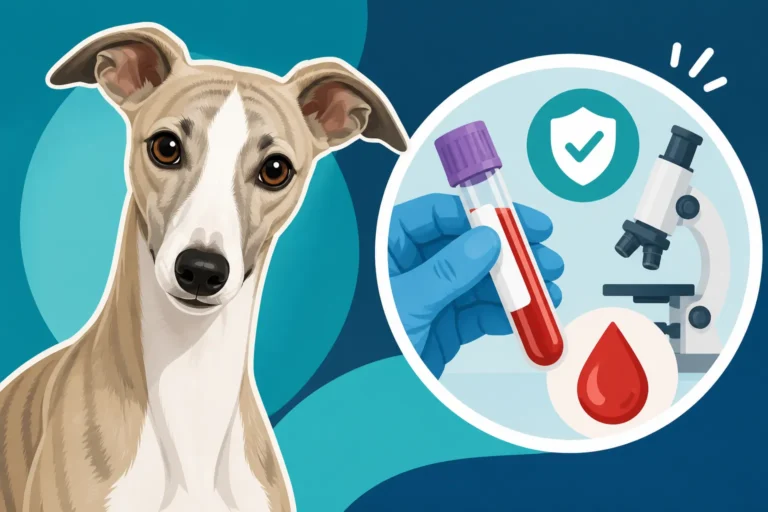
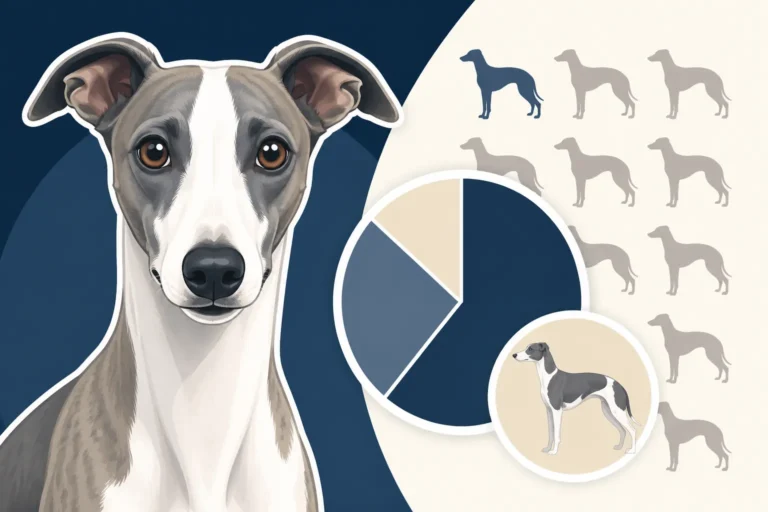
While m/m Whippets are not as common as N/N or N/m Whippets, the mutation itself is not "rare" within the breed's gene pool. The DNA Test That Finds the Whippet Myostatin Mutation has become more accessible, revealing that the myostatin variant is present in a significant percentage of Whippets. Breeding two N/m carriers together has a predictable 25% chance of producing m/m puppies, a 50% chance of producing N/m puppies, and a 25% chance of producing N/N puppies.
This means that Bully Whippets are a predictable outcome of specific breeding choices, not a spontaneous, "once-in-a-lifetime" occurrence. It’s similar to how certain coat colors or patterns are produced. If you breed for them intentionally, they will appear. So, while an individual m/m Whippet might stand out, the genetic mechanism behind it is well-understood and not some mysterious phenomenon.
Marketing vs. Reality: The Power of Perception
The "rare" label primarily serves to inflate perceived value. Breeders who market Bully Whippets as rare often focus solely on the exaggerated musculature as a unique selling point, rather than discussing the potential health implications or how the dog fits into the traditional Whippet temperament and lifestyle. This can be problematic because it can lead unsuspecting buyers to believe they are acquiring something inherently superior or more valuable, when in reality, they are getting a dog with a specific genetic condition that requires informed care.
Consider other breeds where unusual colors or sizes are marketed as "rare" or "exotic" for profit. Often, these traits are linked to health issues, or they simply don't align with the breed's historical purpose or standard. With Bully Whippets, the "rare" label diverts attention from the genetic reality and potential challenges, focusing instead on novelty. This isn't about shaming anyone who admires the look, but about ensuring transparency and honesty in how these dogs are presented to the public.
Understanding the Health and Temperament of Bully Whippets
Beyond the striking appearance, it's essential for any prospective owner to understand the potential health and temperament considerations associated with m/m Whippets. While many Bully Whippets live happy, full lives, their extreme musculature can present unique challenges that are not typically seen in other Whippets.
Potential Health Implications
The double-muscling that defines a Bully Whippet isn't just cosmetic; it can impact their physical well-being. One of the most commonly discussed issues is muscle cramping. Imagine having muscles so large that they frequently tense up painfully after exertion or even just being cold. This is why a Bully Whippet cramps, and it's a real concern for owners. These episodes can be debilitating and frightening for both dog and owner. Managing this often requires careful exercise routines, warming up, cooling down, and sometimes even dietary adjustments.
Additionally, the exaggerated muscle development can sometimes lead to structural or orthopedic challenges. Their increased bulk can put extra strain on joints, and some m/m Whippets may experience issues with their jaws due to the altered muscle structure, potentially affecting their ability to chew comfortably. These are not minor inconveniences; they can significantly impact a dog's quality of life and lead to considerable veterinary expenses. It's why having robust pet insurance, like a plan from Healthy Paws, is always a smart idea for any Whippet owner, but especially one considering a dog with known predispositions.
Activity Levels and Exercise Needs
There's a common misconception that because Bully Whippets are so muscular, they must be hyperactive or require extreme amounts of exercise. While they are powerful, the reality is often quite different. Their proneness to cramping means that bursts of intense, unplanned exercise can be detrimental. They still need regular activity, but it often needs to be managed more carefully than with a typical Whippet. Long, sustained runs might be less appropriate than shorter, controlled sessions, followed by careful warm-ups and cool-downs.
Whether a Bully Whippet Can Race is a complex question. While they possess immense power, their unique physiology means they might not have the same stamina or resilience to injury as an N/m carrier, who often benefits from the single gene copy. Owners need to be acutely aware of their dog's limits and prioritize their comfort and health over pushing them into activities that could cause injury or discomfort.
Temperament: Are They Different?
In terms of core temperament, Bully Whippets generally retain the sweet, gentle, and affectionate nature characteristic of the breed. They are still typically sensitive dogs who thrive on companionship and enjoy being part of the family. The myostatin mutation primarily affects physical development, not personality.
However, any dog experiencing physical discomfort or pain, like muscle cramping, might exhibit behavioral changes. A dog that is frequently in pain might become more withdrawn, irritable, or hesitant to engage in activities it once enjoyed. It's crucial for owners to monitor their Bully Whippet closely for signs of discomfort and understand that managing their physical needs is paramount to maintaining a happy, well-adjusted temperament. Ultimately, Whether a Bully Whippet Lives a Normal Life heavily depends on the care and management they receive from their owners.
The Ethical Considerations for Breeders and Buyers
The existence and marketing of Bully Whippets bring up important ethical discussions for both those who breed them and those who consider buying one. Responsible breeding hinges on prioritizing health and temperament, while ethical buying means doing your homework and asking the right questions.
Responsible Breeding Practices and Genetic Testing
For breeders, the ethical pathway is clear: transparency and health testing. Given that the myostatin mutation is a known genetic factor, reputable breeders should be utilizing the available DNA test to understand the genetic makeup of their breeding stock. This allows them to make informed decisions. Many breeders choose not to intentionally produce m/m Whippets due to the potential health concerns, or they only breed N/m carriers with N/N dogs to produce faster N/m athletes without the risk of m/m offspring.
If a breeder does produce m/m Whippets, they have an ethical obligation to fully disclose the genetic status of the puppies, explain the potential health implications in detail, and ensure that prospective buyers understand the long-term commitment and care involved. This includes discussing potential issues like cramping, jaw problems, and the need for careful exercise management. Any breeder who glosses over these points or insists the dogs are "just like any other Whippet" without addressing the specific challenges is likely prioritizing profit over puppy welfare. This also touches on the discussion around Whether a Bully Whippet Should Be Bred at all, especially considering the potential for issues like The Jaw Problems a Bully Whippet Develops.
The Implications of Marketing a Genetic Condition as Desirable
When a specific genetic condition, especially one with potential health drawbacks, is marketed as "rare" or "desirable" to drive up prices, it crosses into questionable territory. It encourages breeding for novelty rather than for health, temperament, and adherence to the breed standard, which is designed to promote the overall well-being and function of the breed.
This kind of marketing can also put undue pressure on buyers who might be drawn to the unique look without fully appreciating the responsibilities involved. It’s vital for the Whippet community to educate potential owners and advocate for breeding practices that prioritize the long-term health and welfare of these incredible dogs over aesthetic trends or perceived rarity. Considering Whether Two Carrier Whippets Should Be Bred Together is a key part of this ethical discussion.
Advice for Prospective Owners
If you're considering a Bully Whippet, here's some advice to ensure you make an informed and ethical choice:
- Educate Yourself: Understand the myostatin gene, its effects, and the potential health challenges. This guide is a good start, but dive deeper into resources about Bully Whippet Syndrome and responsible sighthound ownership.
- Ask for Genetic Testing Results: A reputable breeder will have tested their breeding stock and can provide proof of the parents' and puppy's myostatin status. Don't be shy about asking for these records.
- Question the "Rare" Label: Be wary of any breeder who emphasizes "rarity" or "exotic" status over health and temperament. A truly responsible breeder will focus on the dog's well-being.
- Meet the Parents: If possible, visit the breeder and meet both parents of the litter. Observe their health, temperament, and how they move.
- Discuss Potential Health Costs: Be prepared for potential specialized veterinary care. Pet insurance, like that offered by Healthy Paws, can be invaluable for managing unexpected health issues, so research your options early. You should also inquire about The Health Tests Both Whippet Parents Should Have.
- Consider Lifestyle Fit: Think honestly about whether your lifestyle can accommodate a dog that might need careful exercise management and potentially more veterinary attention. Whether a Bully Whippet Belongs in a Pet Home is a personal decision that should be made with full knowledge and preparedness.
| Gene Combination | Phenotype (Appearance) | Common Name | Typical Characteristics & Implications |
|---|---|---|---|
| N/N | Normal musculature | Clear | Classic Whippet build, agile, fewer specific myostatin-related health concerns. |
| N/m | Enhanced musculature | Carrier | Often highly athletic, faster, no major myostatin-related health issues. |
| m/m | Extreme musculature | Bully | "Bully Whippet" look, potential for muscle cramping, jaw issues, careful exercise needed. |
Choosing a Whippet, regardless of its genetic makeup, is a long-term commitment. By being informed and approaching the search with a critical eye, you can help ensure that you bring home a healthy, well-adjusted companion and support ethical breeding practices within the Whippet community.
Disclaimer
This article is for general informational purposes only and does not constitute professional advice. Laws, prices and regulations vary by location and change over time. Consult a qualified professional for guidance on your specific situation.