Which Drugs a Whippet Should Not Be Given
It’s a deeply unsettling moment when your beloved Whippet needs veterinary care, and the vet starts talking about medications. You instantly worry, knowing how unique sighthounds are and hearing whispers of certain drugs being risky for them. What might be standard procedure for a Labrador could be genuinely dangerous for your delicate, speedy companion, leaving you anxious and unsure how to advocate for their safety. This comprehensive guide will walk you through the specific drugs and drug classes that require extreme caution or should be outright avoided in Whippets, giving you the knowledge to protect your best friend.
Understanding the Whippet's Unique Physiology and Drug Sensitivities
Whippets are not just smaller versions of other dog breeds; they possess a distinct physiology that impacts everything from their metabolism to their reaction to medications. This uniqueness stems from centuries of selective breeding for speed, agility, and a lean body type, which, while beautiful, introduces specific medical considerations.
Sighthound Anesthesia Protocols: Why Whippets are Different
One of the most critical areas where Whippets diverge from other breeds is in their response to anesthesia. Many vets who aren't familiar with sighthounds might use a standard protocol, which can lead to serious complications. The phrase "Why a Whippet Needs a Sighthound Anesthesia Protocol" isn't just a suggestion; it's a critical safety measure. Sighthounds metabolize certain drugs differently and generally have less body fat, which plays a huge role in how long anesthetics stay in their system and how quickly they recover. They tend to have lower heart rates and blood pressure even when healthy, and their lean build means they lose body heat more rapidly under sedation. This combination means they can take a dangerously long time to wake up, often shivering and disoriented, leaving owners terrified.
Veterinary professionals who understand sighthound physiology will often opt for specific drug combinations that are shorter-acting and easily reversible. They'll also focus heavily on keeping your Whippet warm during and after any procedure, using heating pads, warm blankets, and forced-air warmers like the Bair Hugger. This meticulous approach is vital to prevent prolonged recovery times and hypothermia, which can complicate even routine procedures like dental cleanings or minor wound repairs.
Low Body Fat and Metabolism: The Risk of Overdosing
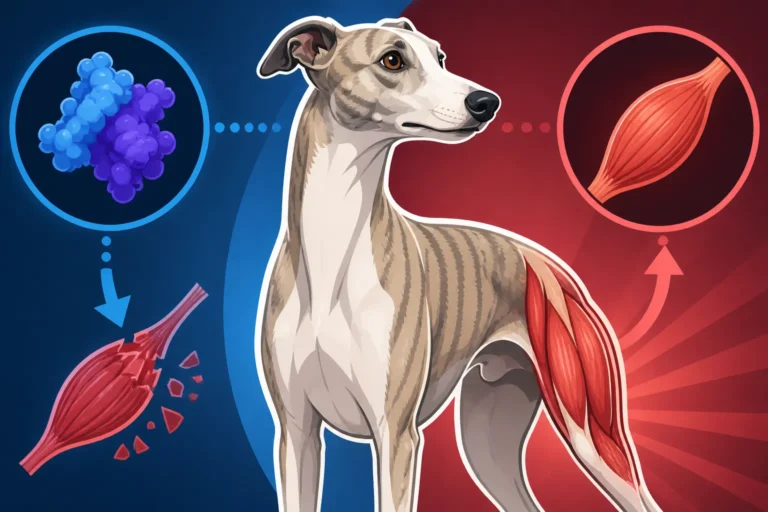
Whippets are renowned for their lean, athletic build, characterized by minimal body fat and a fast metabolism when they're active. While this is great for speed, it presents a challenge in pharmacology. Many anesthetic and sedative drugs are fat-soluble, meaning they accumulate in fatty tissues before being slowly released and metabolized by the liver. With significantly less body fat, drugs can remain in a Whippet's bloodstream at higher concentrations for longer periods, essentially leading to an overdose relative to their size, even at standard doses. This makes it crucial to understand "How Slowly a Whippet Wakes From Sedation" and to consider that their delicate systems can be overwhelmed.
Beyond fat-soluble drugs, their liver's metabolic pathways can also differ. Some drugs are metabolized more slowly, while others are metabolized so quickly that they become ineffective or produce toxic byproducts. This necessitates careful drug selection and precise dosing tailored specifically to sighthounds. A vet experienced with Whippets will calculate doses based on lean body mass rather than overall weight, and often err on the side of lower initial doses, increasing only if necessary, ensuring your dog wakes up safely and smoothly.
Genetic Sensitivities: The MDR1 Gene and Beyond
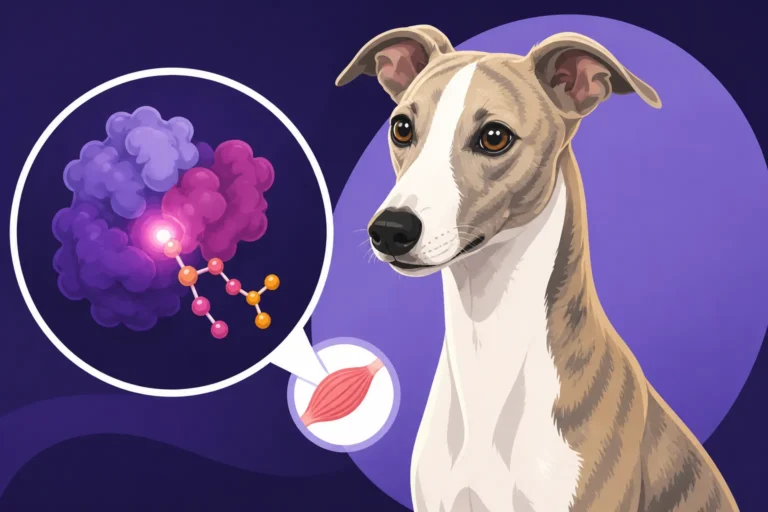
The Multi-Drug Resistance 1 (MDR1) gene, now often referred to as ABCB1, is a well-known genetic mutation that can cause extreme sensitivity to certain medications in many breeds, including some sighthounds, though it's less prevalent in purebred Whippets than in breeds like Collies or Australian Shepherds. While a direct link for purebred Whippets isn't as common as in herding breeds, it's still a conversation worth having with your vet, especially if your dog has mixed ancestry or if you're curious about "Whether a Whippet Carries the MDR1 Mutation". This mutation affects a protein called P-glycoprotein, which is responsible for pumping certain drugs out of the brain. When this pump doesn't work correctly, these drugs can accumulate to toxic levels in the central nervous system.
Beyond MDR1, Whippets can have other breed-specific sensitivities that are less understood genetically but observed clinically. Their unique bloodwork numbers, such as naturally higher red blood cell counts and lower thyroid readings, can sometimes be misinterpreted as disease in a general practice setting. Therefore, understanding the nuances of their health profile is key to avoiding unnecessary or harmful treatments. It underscores the need for vets to look at the whole picture and be aware of sighthound norms, not just general canine ranges.
Anesthetic and Sedative Agents to Approach with Caution
When your Whippet needs any procedure requiring sedation or full anesthesia, the choice of drugs is paramount. General veterinary protocols might be dangerous, and advocating for sighthound-specific choices is essential.
Thiobarbiturates: The Classic Danger for Sighthounds
For decades, thiobarbiturates like thiopental were a go-to for inducing anesthesia in dogs. However, these drugs are notoriously risky for sighthounds, including Whippets. The core reason, as we touched on earlier, is their high lipid solubility combined with a Whippet's low body fat. Thiobarbiturates rapidly distribute to well-perfused organs like the brain, causing a quick induction of anesthesia. But then, they redistribute to other tissues, including fat. Because Whippets have so little fat, the drug stays in the bloodstream and brain at higher concentrations for much longer, leading to a significantly prolonged and difficult recovery. This often manifests as extreme grogginess, incoordination, and a terrifyingly slow return to consciousness, which is why "Why Thiobarbiturates Endanger a Whippet" is such an important topic for owners to understand.
Modern veterinary medicine has largely moved away from thiobarbiturates for sighthounds due to these well-documented risks. Safer alternatives exist that offer a smoother, more predictable induction and recovery. If your vet suggests a thiobarbiturate, it's a strong signal to ask questions or seek a second opinion from a vet experienced with sighthounds.
Acepromazine and Other Phenothiazine Tranquilizers: A Balancing Act
Acepromazine is another drug that requires careful consideration in Whippets. While not universally contraindicated like thiobarbiturates, phenothiazine tranquilizers such as acepromazine can cause profound hypotension (low blood pressure) and can also lead to prolonged sedation in sensitive individuals. Whippets, with their already typically lower resting heart rate and blood pressure, can be particularly susceptible to these effects. A significant drop in blood pressure during sedation or anesthesia can be dangerous, potentially leading to organ damage. This is a primary concern highlighted in discussions around "Acepromazine and the Whippet".
Some sighthound-savvy vets might use very low doses of acepromazine as part of a pre-anesthetic cocktail for its calming and anti-nausea effects, but this is done with extreme caution and vigilant monitoring of blood pressure. For many, other sedatives that offer more predictable and reversible effects are preferred. Always discuss the specific drugs your vet plans to use for sedation or anesthesia and express your concerns about phenothiazine derivatives in your Whippet.
Alpha-2 Agonists and Opioids: Careful Dosing is Key
Alpha-2 agonists, like dexmedetomidine, and opioids, such as butorphanol or hydromorphone, are commonly used in veterinary medicine for sedation and pain relief. They can be highly effective and are often part of a safe sighthound anesthesia protocol when used judiciously. The key, however, is careful dosing and the availability of reversal agents. These drugs can cause significant sedation, bradycardia (slow heart rate), and respiratory depression, which can be concerning for any dog, but especially for a breed like the Whippet that already runs a lean, lower-energy baseline.
When a vet opts for these drugs, they should be well-versed in sighthound physiology. They will typically use lower-end doses and ensure that reversal agents (like atipamezole for alpha-2 agonists and naloxone for opioids) are on hand and administered promptly to facilitate a quicker, safer recovery. This is why "Propofol as a Whippet's Safer Option" is often discussed, as propofol is a short-acting injectable anesthetic that allows for rapid, controlled recovery, especially when combined with these careful sedative choices. It's about choosing the right tools and knowing how to use them with precision for your sensitive sighthound.
Non-Steroidal Anti-Inflammatory Drugs (NSAIDs) and Pain Management
Pain management is crucial for any dog, but the use of NSAIDs in Whippets, like all medications, comes with its own set of considerations. These drugs are highly effective for reducing pain and inflammation, but they are not without potential side effects, particularly affecting the gastrointestinal tract and kidneys.
The Importance of Pre-Anesthetic Bloodwork for NSAIDs
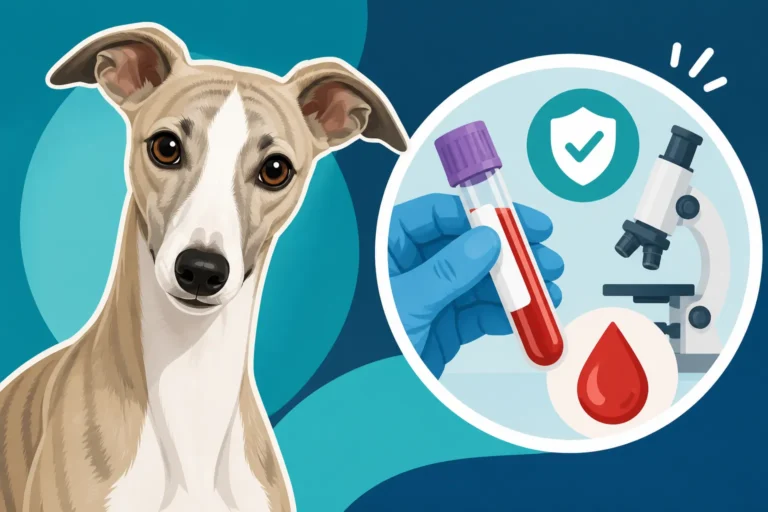
Before administering NSAIDs, especially long-term or around a surgical procedure, comprehensive bloodwork is absolutely essential. This isn't just a general recommendation; it’s a non-negotiable step to ensure your Whippet's safety. Discussions around "Whether a Whippet Needs Pre Anesthetic Bloodwork" often highlight this for a reason. Liver and kidney values, in particular, need to be within a healthy range because these organs are responsible for metabolizing and eliminating NSAIDs from the body. If either organ is compromised, even slightly, the drug can build up to toxic levels, leading to severe and potentially irreversible damage.
For a Whippet, whose bloodwork can sometimes look a little "off" compared to standard ranges even when healthy (e.g., higher packed cell volume, lower thyroid), it's important that your vet interprets these results with a sighthound lens. This ensures that a healthy Whippet isn't denied necessary pain relief due to misinterpretation, nor is a truly compromised Whippet given a dangerous medication.
Potential Gastrointestinal and Renal Risks
NSAIDs work by inhibiting enzymes involved in inflammation, but these enzymes also play roles in protecting the stomach lining and regulating kidney function. Even at appropriate doses, NSAIDs can cause irritation or ulceration of the gastrointestinal tract, leading to vomiting, diarrhea, loss of appetite, and in severe cases, life-threatening GI bleeding. In Whippets, with their often sensitive stomachs, these risks are present and need to be monitored closely.
Furthermore, NSAIDs can reduce blood flow to the kidneys, potentially impairing their function. For a dog that might already have underlying, subclinical kidney issues, even a short course of NSAIDs could tip them into acute kidney injury. This is why hydration is so critical when a dog is on NSAIDs; adequate blood volume helps protect the kidneys. Always ensure your Whippet is well-hydrated, and never give human NSAIDs like ibuprofen or naproxen, as these are highly toxic to dogs.
Alternative Pain Relief Options
Given the potential risks, especially for long-term use or in dogs with pre-existing conditions, exploring alternative or complementary pain relief options for your Whippet is a wise approach. For mild, acute pain or chronic conditions, modalities like cold laser therapy, acupuncture, physical therapy, and massage can be incredibly beneficial. These options often have fewer systemic side effects and can significantly improve comfort and mobility.
For more moderate to severe pain, or when NSAIDs are not an option, your vet might consider other pharmaceutical classes. Gabapentin, an anticonvulsant that also has pain-relieving properties, particularly for neuropathic pain, is often used. Amantadine, another medication, can help with chronic pain by targeting different pain pathways. In some cases, low doses of opioids might be prescribed for acute, severe pain. The key is a multi-modal approach, combining different methods to target pain from various angles, minimizing reliance on a single drug type and its associated risks.
Parasite Preventatives and Other Common Medications
While most common parasite preventatives and routine medications are safe for Whippets, there are still a few categories and individual drugs that require special attention due to known sensitivities or the potential for adverse reactions.
Ivermectin Sensitivity and Related Drugs
This is a big one for some sighthound owners, though, again, it’s more prevalent in specific breeds. While the MDR1 gene mutation, which causes Ivermectin sensitivity, is rare in purebred Whippets, it's not entirely unheard of, especially if there's any mixed heritage. For those dogs affected, even a standard dose of Ivermectin (found in many heartworm medications and some dewormers) can cross the blood-brain barrier and cause severe neurological signs, including ataxia, tremors, blindness, and seizures, which can be life-threatening. This is why "Ivermectin Sensitivity in a Whippet" is a concern.
Many modern heartworm preventatives contain different active ingredients (like milbemycin oxime, moxidectin, or selamectin) that are generally considered safer for sighthounds, even those with the MDR1 mutation, when used at the doses found in heartworm preventatives. However, higher doses of these drugs (as might be used for certain parasite treatments) could potentially pose a risk to an MDR1-positive dog. Always discuss your Whippet's specific needs and any genetic testing results with your vet to choose the safest preventative. Brands like Healthy Paws pet insurance often emphasize the importance of preventative care, which includes parasite control, so choosing safe options is vital.
Over-the-Counter Medications to Avoid
It might seem convenient to reach for human over-the-counter medications when your Whippet seems a little off, but this is a dangerous practice that can have devastating consequences. Human medications are formulated for human metabolism and often contain ingredients that are highly toxic to dogs. We already mentioned NSAIDs like ibuprofen and naproxen – these can cause severe stomach ulcers, kidney failure, and liver damage. Acetaminophen (Tylenol) is another absolute no-go; it can cause liver failure and red blood cell damage, leading to a condition called methemoglobinemia, especially dangerous for dogs.
Beyond pain relievers, cold and flu medications often contain decongestants (like pseudoephedrine or phenylephrine) or cough suppressants (like dextromethorphan) that can cause hyperactivity, elevated heart rate, seizures, and other neurological issues in dogs. Always consult your veterinarian before giving your Whippet any medication, even if it seems harmless. What might be a mild sniffle for you could lead to an emergency vet visit for your dog.
Vaccine Reactions and Considerations
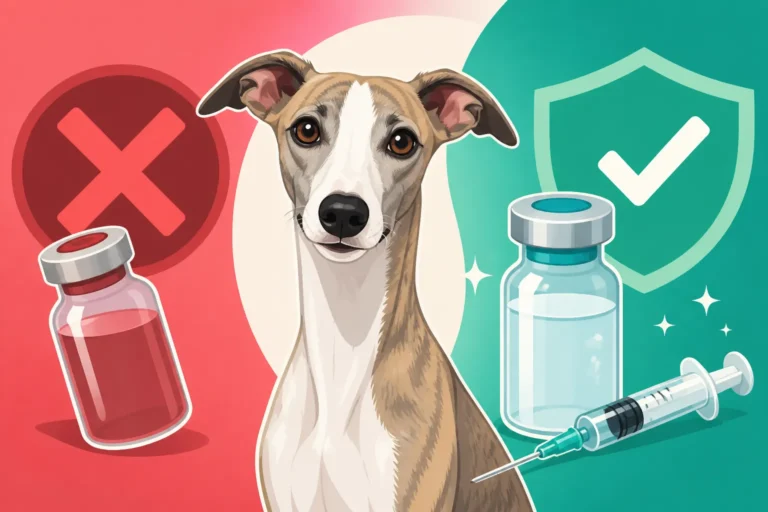
Vaccines are a critical part of preventative healthcare, protecting your Whippet from a host of serious diseases. However, like all medical interventions, they carry a small risk of adverse reactions. Most reactions are mild and short-lived, such as soreness at the injection site, lethargy, or a mild fever. More serious reactions, while rare, can include facial swelling, hives, vomiting, diarrhea, or anaphylaxis. These are not specific to Whippets but can occur in any dog.
For Whippets, there aren't unique vaccine contraindications, but vigilance is always key. If your Whippet has a history of vaccine reactions, discuss this with your vet. They may recommend giving vaccines one at a time over several weeks, pre-medicating with antihistamines, or using specific vaccine brands known to be less reactive. Keeping an eye on "Vaccine Reactions in a Whippet" after their shots is good practice, and knowing when to seek emergency care is important. Pet insurance providers, such as Healthy Paws, often highlight the importance of vaccinations as part of a wellness plan, underscoring their overall benefit despite the small risks.
Proactive Steps for Whippet Owners
Being a Whippet owner means being a proactive advocate for their health. Their unique physiology demands a slightly different approach to veterinary care than many other breeds. Taking these steps can significantly improve their safety and well-being throughout their lives.
Finding a Sighthound-Knowledgeable Veterinarian
This is arguably the most important proactive step you can take. A veterinarian who understands sighthound physiology, metabolism, and breed-specific sensitivities is invaluable. They will be familiar with sighthound anesthesia protocols, know how to interpret bloodwork results correctly (like their often lower thyroid readings or higher red blood cell counts), and be aware of drug sensitivities without you having to educate them. Asking "Whether a Whippet Needs a Vet Who Knows Sighthounds" is a question that always comes back with a resounding "yes" from experienced owners. These vets will also be better equipped to advise on nutrition, exercise, and preventative care tailored to your Whippet's needs.
Don't be afraid to interview potential vets or discuss your Whippet's specific needs with your current one. Ask about their experience with sighthounds, their preferred anesthesia protocols, and how they approach pain management for lean dogs. A good vet will welcome your questions and appreciate your proactive involvement in your dog's care. If your current vet seems unfamiliar or dismissive of sighthound differences, it might be time to seek a specialist.
Keeping a Detailed Medical History
Maintaining a thorough and organized medical history for your Whippet is crucial. This document should include all vaccinations, previous illnesses or injuries, medications prescribed (with dosages and dates), any known drug sensitivities or adverse reactions, and results from bloodwork or genetic tests. This record is invaluable for any vet, especially if you ever need to see an emergency vet who isn't familiar with your dog or if you switch practices. It ensures continuity of care and prevents potential errors.
A detailed history can help identify patterns in your Whippet's health, track the effectiveness of treatments, and provide vital information in an emergency. For example, if your Whippet had a mild reaction to a specific sedative in the past, noting it clearly in their history can prevent its use again, saving them from a more severe reaction. This information empowers any vet to make the most informed decisions for your Whippet.
Considering Pet Insurance for Unexpected Issues
Even with the most diligent care and the most sighthound-savvy vet, unexpected health issues can arise, and medical treatments for Whippets, especially those involving specialist care or extended hospital stays, can be costly. This is where pet insurance, like policies offered by Healthy Paws, can provide invaluable peace of mind. While preventative care is important, it's the sudden emergencies or chronic conditions that can truly strain a budget. Knowing that you can make medical decisions based on your Whippet's health needs, rather than solely on cost, is a huge relief.
When choosing pet insurance, look for plans that cover accidents, illnesses, surgeries, prescription medications, emergency care, and specialist visits. Read the fine print to understand deductibles, reimbursement percentages, and any exclusions for pre-existing conditions. While it’s an upfront cost, the investment in a good pet insurance policy can save you thousands of dollars over your Whippet's lifetime, ensuring they receive the best possible care when they need it most.
Critical Drug Sensitivities in Whippets: A Quick Reference
Understanding the nuances of drug sensitivities in Whippets can feel overwhelming. This table provides a quick, concise reference for common drug classes and specific agents that require caution or avoidance in your sighthound.
| Drug Class / Specific Agent | Primary Concern for Whippets | Why it's a concern | Safer Alternatives/Considerations |
|---|---|---|---|
| Thiobarbiturates (e.g., Thiopental) | Severe, prolonged recovery | Low body fat causes slow metabolism and prolonged effects | Propofol, Alfaxalone, Isoflurane, Sevoflurane |
| Acepromazine (Phenothiazine Tranquilizer) | Profound hypotension, prolonged sedation | Can drastically lower blood pressure; long-lasting in lean dogs | Low-dose sedatives with reversal agents, e.g., Dexmedetomidine (with Atipamezole) |
| Ivermectin (high doses) | Neurotoxicity (rare in purebreds) | Potential for MDR1 gene mutation (though uncommon in purebred Whippets) | Alternative heartworm/flea preventatives (e.g., Milbemycin oxime, Selamectin at standard doses) |
| Human NSAIDs (e.g., Ibuprofen, Naproxen) | Gastric ulcers, kidney failure | Highly toxic to canine systems, differing metabolism | Canine-specific NSAIDs (e.g., Carprofen, Meloxicam) with vet guidance |
| Acetaminophen (Tylenol) | Liver failure, red blood cell damage | Highly toxic to canine systems | Never give human acetaminophen |
| Alpha-2 Agonists (e.g., Dexmedetomidine) | Bradycardia, respiratory depression | Can slow heart rate and breathing; requires careful dosing | Use low doses, always have reversal agent (Atipamezole) ready |
| Opioids (e.g., Butorphanol, Hydromorphone) | Respiratory depression, sedation | Can cause significant sedation; careful dosing needed | Use low doses, always have reversal agent (Naloxone) ready |
This table is a general guide and does not replace specific veterinary advice. Always consult your vet about any medications for your Whippet.
Disclaimer
This article is intended for informational purposes only and does not constitute professional veterinary advice. Always consult with a qualified veterinarian for any health concerns or before making any decisions about your Whippet's medical care or treatment. Drug protocols and recommendations can change, and only a veterinarian can properly assess your individual dog's health needs.