Hand Feeding a Reluctant Whippet
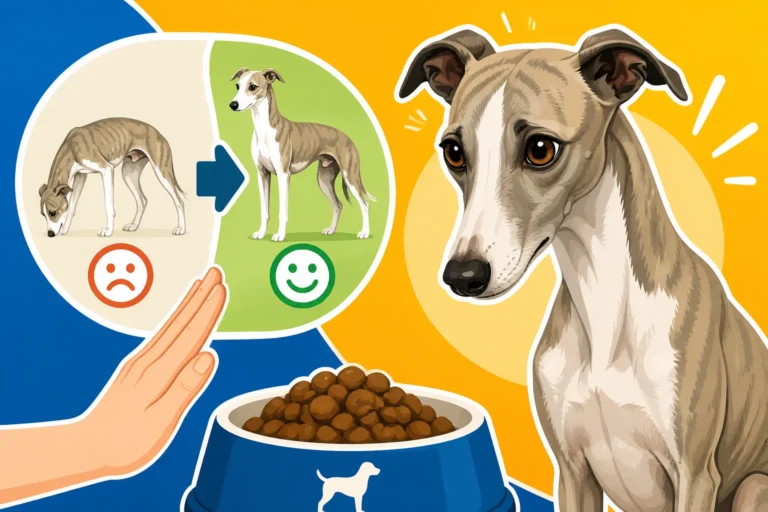
It can be incredibly disheartening, even worrying, when your beloved Whippet, who usually inhales their food, suddenly turns up their nose at mealtime. You try everything – different bowls, different spots, tempting treats – but they just won't eat. This guide is here to walk you through why your Whippet might be a reluctant eater and how hand-feeding can be a gentle, effective way to encourage them, alongside other practical tips to get them back to healthy eating habits.
Understanding Why Your Whippet Might Be a Picky Eater
Whippets, despite their athletic build, can sometimes surprise us with their finicky eating habits. It's not always about being "picky" in a spoiled way; there are often underlying reasons why your graceful companion might be turning up their nose at their bowl. Understanding these factors is the first step towards helping them.
Health Issues and Discomfort
Before anything else, if your Whippet suddenly becomes a reluctant eater, especially if it's a drastic change, a trip to the vet should be your first port of call. Our dogs can't tell us what's wrong, so changes in appetite are often one of the clearest signs of discomfort or illness. Something as simple as a tummy ache or as serious as a developing medical condition could be at play.
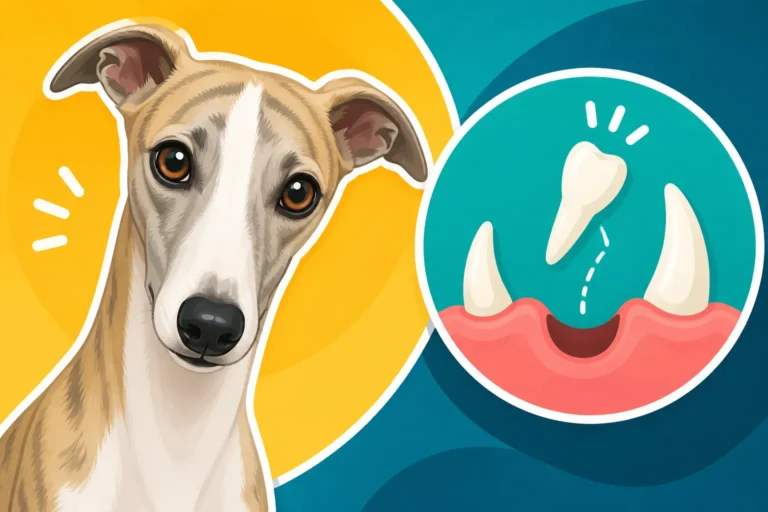
Perhaps they have a subtle dental issue – a sore tooth, a gum infection, or even just sensitivity. Teeth Are the Whippet Problem That Sneaks Up. Imagine trying to eat with a toothache; it's just not pleasant! Or maybe they're feeling a bit under the weather, like we do when we have a cold and nothing tastes good. Less common but still possible, certain underlying health conditions, even things that might not seem directly related to digestion, can manifest as a loss of appetite. Whippets can also have Whether a Whippet Has a Sensitive Stomach, which can make certain foods unappealing or cause discomfort after eating, leading to reluctance.
Stress, Anxiety, and Environmental Factors
Whippets are incredibly sensitive creatures. They thrive on routine and a calm environment. Any changes to their daily life can throw them off, and a common manifestation of stress or anxiety in dogs is a refusal to eat. Have you recently moved? Is there a new pet or family member in the house? Has your schedule drastically changed? Even something as seemingly minor as loud noises, construction nearby, or a new person visiting can make a sensitive Whippet feel unsettled enough to skip a meal.
Consider also the location of their food bowl. Is it in a high-traffic area where they feel exposed or interrupted? Is it near a noisy appliance, or is another pet or child constantly bothering them while they try to eat? Some Whippets prefer to eat in peace, away from the hustle and bustle. Think about it from their perspective: if you were trying to enjoy a meal and someone kept nudging you or a loud alarm kept going off, you'd probably lose your appetite too. Sometimes, a simple change in the bowl itself can be a factor. Some dogs dislike metal bowls that clang or reflect light.
Food Aversion and Boredom
Yes, our Whippets can get bored with their food, just like we would if we ate the same meal, day in and day out, for years. They might develop a food aversion if they've had an unpleasant experience with a particular food, like an upset stomach, or if the food has gone stale. Sometimes, owners try to "enrich" kibble with various human foods, and if those foods are highly appealing, the Whippet might start holding out for the "good stuff" and refuse their regular meal. This is a classic case of Why a Whippet Is a Picky Eater.
The quality and freshness of the food also matter. Old, stale kibble won't smell as enticing, and some dogs are very sensitive to the aroma of their meals. If you've recently changed food brands or even just bought a new bag from the same brand and your dog is suddenly reluctant, it's worth checking the expiry date or inspecting for any signs of spoilage. For dogs that seem to crave variety or better taste, switching to a fresh food diet can make a world of difference. Many owners have found that human-grade fresh food services, such as those offered by Ollie, can be incredibly appealing to a finicky eater because of their natural ingredients and palatable textures.
The Gentle Art of Hand-Feeding Your Reluctant Whippet
When your Whippet is refusing their food, it can feel like a battle. But approaching mealtime with patience, understanding, and the right technique can make a huge difference. Hand-feeding isn't just about getting calories into them; it's about rebuilding trust and positive associations with food.
Creating a Calm and Appealing Environment
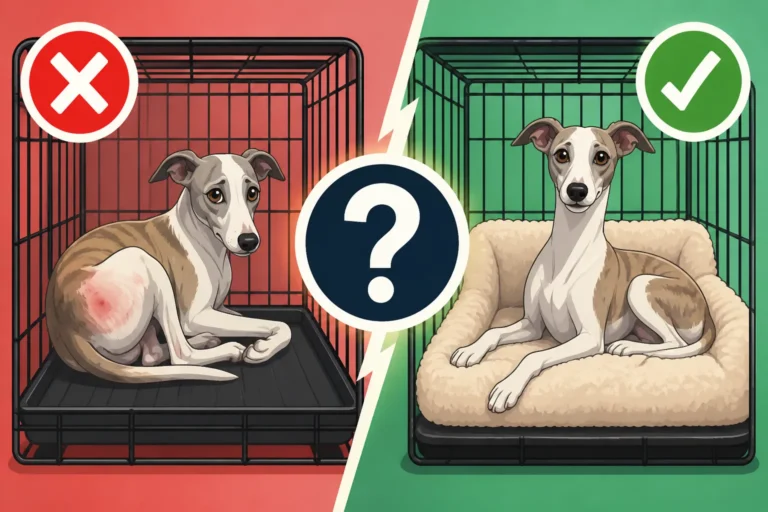
Before you even offer food, set the stage for success. Your Whippet needs to feel safe and relaxed. Find a quiet, low-traffic area where they won't be disturbed by other pets, children, or loud noises. For some Whippets, this might be a crate covered with a blanket, a quiet corner in the kitchen, or even a specific spot in your lap if they're particularly anxious. The goal is to eliminate any potential stressors that might be contributing to their reluctance.
Consider the presentation of the food itself. Sometimes, simply warming up their food slightly can release aromas that entice a reluctant eater. Warming Food to Get a Whippet Eating is a common trick. A splash of warm water or low-sodium broth can work wonders, especially with kibble, to make it more fragrant and palatable. If you're using wet food, make sure it's not straight from the fridge; a room-temperature meal is often more appealing. For some sensitive Whippets, the type of bowl can matter. A ceramic or glass bowl might be preferred over a clanging metal one, or perhaps a raised feeder, readily available from retailers like Chewy or Amazon, makes eating more comfortable if they have neck or back issues.
The Technique of Hand-Feeding
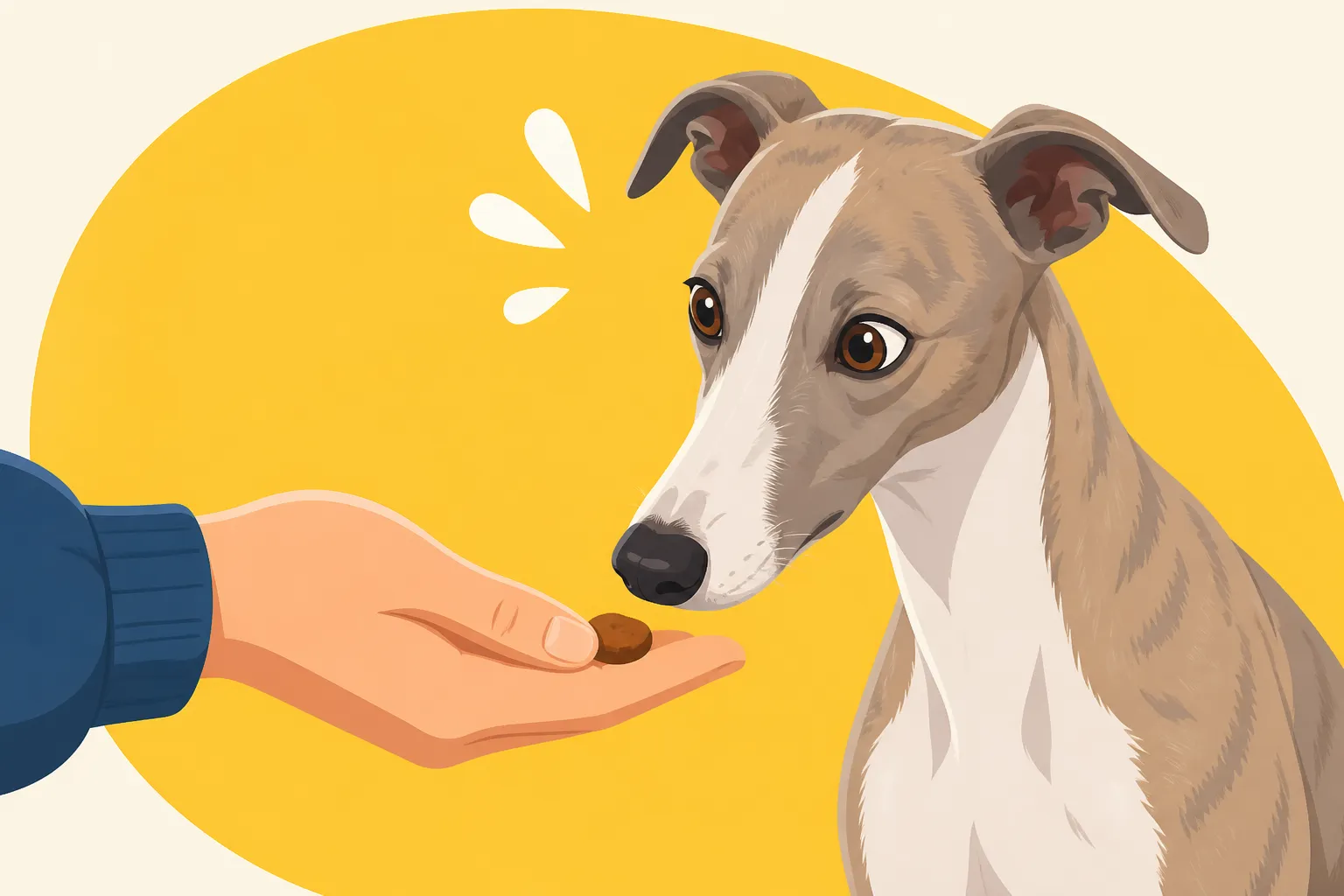
Hand-feeding is exactly what it sounds like: offering small amounts of food directly from your hand. This technique creates a strong bond and can encourage even the most hesitant Whippets to eat.
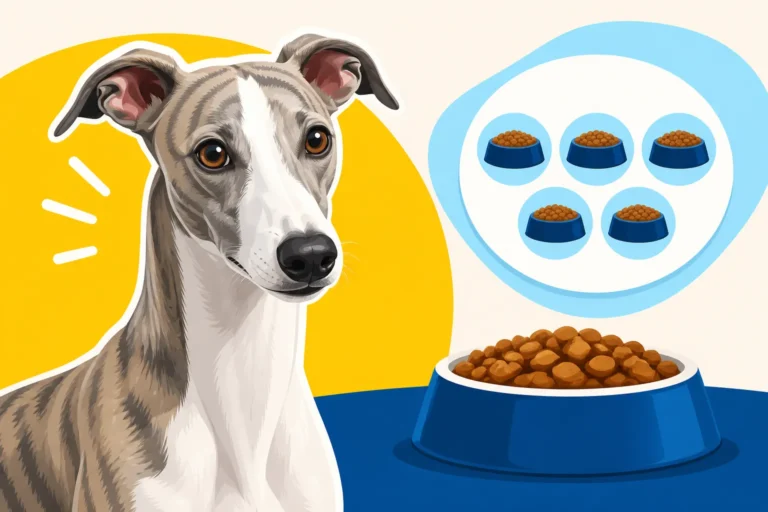
- Start Small: Don't present a full bowl. Offer just a few pieces of kibble or a small dollop of wet food at a time. This prevents them from feeling overwhelmed.
- Gentle Encouragement: Hold the food out to them. Speak in a soft, calm voice. Avoid pushing the food into their face or trying to force them. The idea is to invite, not coerce.
- Patience is Key: Some Whippets will sniff and then tentatively take a piece. Others might ignore it for a minute before deciding to try. Be prepared to sit there for a while. If they take a piece, offer another. If they turn away, don't push it. Simply put the food down, wait a few minutes, and try again.
- Positive Reinforcement: When they eat, offer quiet praise. No big celebrations, just a gentle "good dog" or a soft stroke. You want them to associate eating with a calm, positive experience, not a high-energy event that might heighten their anxiety.
- Gradual Transition: Once they start eating from your hand consistently, gradually try placing the food on a flat surface in front of them (still from your hand), then perhaps in a shallow saucer, and eventually back into their regular bowl. This slow transition helps them regain confidence in eating independently. This process can be a powerful way to reinforce the positive aspects of eating, especially for a dog that might typically be very sensitive to corrections or pressure. How a Whippet Learns When It Bruises From Pressure highlights their delicate nature.
Tempting Add-Ins and Novelty
Sometimes, a little something extra is all it takes to spark interest. Just be mindful of introducing too many new things at once, especially if your Whippet has a Whether a Whippet Has a Sensitive Stomach.
Consider these ideas:
- Low-sodium broth: Chicken or beef broth can make kibble much more appealing.
- Plain cooked chicken or scrambled egg: Small pieces mixed in can be irresistible.
- Canned pumpkin (plain, not pie filling): A spoonful can tempt them and is also good for digestion.
- Yogurt or cottage cheese: Small amounts of plain, unsweetened varieties can be a hit.
- Fish oil: Not only good for their coat, but it can also add an appealing scent. You can often find reputable brands on Chewy.
- Novel protein: If they're on a chicken-based diet, try a small amount of lamb or venison-based wet food as a topper.
Rotate these toppers so your Whippet doesn't get too accustomed to one specific addition, or they might start holding out for that particular "extra." The goal is to make their regular meal interesting again, not to create a new food obsession.
Beyond Hand-Feeding: When to Seek Veterinary Advice
While hand-feeding can be a wonderful short-term solution and a way to encourage your Whippet, it's crucial to know when to escalate your concerns and seek professional veterinary guidance. A persistent lack of appetite is never something to ignore.
Recognizing Red Flags
There are several signs that indicate your Whippet's reluctance to eat might be more than just pickiness and warrants immediate veterinary attention. Don't wait if you observe any of these:
- Complete refusal to eat for more than 24 hours: An adult Whippet should not go this long without food. Puppies, especially, need more immediate intervention if they refuse food.
- Lethargy or weakness: If your Whippet is not just skipping meals but also unusually tired, reluctant to move, or showing signs of weakness, this is a serious red flag.
- Vomiting or diarrhea: These symptoms, combined with a lack of appetite, can quickly lead to dehydration and indicate a more significant gastrointestinal issue or illness.
- Changes in drinking habits: Either excessive thirst or a complete refusal to drink water, alongside not eating, is concerning.
- Painful abdomen or discomfort: If your Whippet hunches, whines, or guards their belly, they could be experiencing significant pain.
- Weight loss: While some Whippets are naturally lean and it can be hard to tell How Many Ribs Should Show on a Whippet, any noticeable or rapid weight loss is a definite cause for concern. Getting Weight On a Whippet That Will Not Eat is a critical goal, and if hand-feeding isn't achieving this, medical intervention is necessary.
- Other accompanying symptoms: Coughing, sneezing, difficulty breathing, or changes in urination can all point to an underlying health problem.
If you see any of these signs, don't delay. Contact your veterinarian immediately. They can perform a thorough examination, including blood work or other diagnostics, to pinpoint the cause of the problem. Remember, Whippets are stoic and can hide discomfort until it's quite advanced, so early detection is key.
The Veterinary Examination and Diagnostics
When you bring your reluctant eater to the vet, they will start with a comprehensive physical examination. This will include checking their temperature, listening to their heart and lungs, palpating their abdomen, and inspecting their teeth and gums. They'll ask you a lot of questions about your Whippet's eating habits, recent changes, other symptoms, and overall behavior.
Depending on their findings, your vet might recommend various diagnostic tests:
- Bloodwork: This can check for infections, organ function (kidney, liver, pancreas), and other systemic issues that might affect appetite. The Bloodwork Numbers That Look Wrong on a Healthy Whippet shows how Whippet bloodwork can look different from other breeds.
- Urinalysis: To check for kidney problems, urinary tract infections, or other metabolic issues.
- Fecal exam: To rule out parasites or other intestinal problems.
- X-rays or ultrasound: These imaging techniques can help visualize internal organs, identify foreign objects, tumors, or inflammation.
- Dental examination under sedation: If a dental issue is suspected, a full examination, often requiring sedation, is necessary to thoroughly check all teeth and gums.
It's important to be honest and detailed with your vet about everything you've observed. The more information they have, the better they can diagnose and treat your Whippet.
Potential Medical Interventions
Once a diagnosis is made, the vet will recommend a treatment plan. This could range from medication for an infection, pain relief, or digestive upset, to dietary changes, or even surgery in more severe cases.
Sometimes, if a dog has been off food for a while, they might need appetite stimulants or anti-nausea medications to kickstart their system. In cases of severe dehydration or malnutrition, your vet might recommend intravenous fluids or even a feeding tube for a short period to stabilize them. It might sound drastic, but ensuring your Whippet gets essential nutrients is vital for recovery. The good news is that with proper diagnosis and treatment, most Whippets make a full recovery and get their appetite back.
Long-Term Strategies for Encouraging a Healthy Appetite
Once you've navigated the immediate challenge of a reluctant eater, and any health concerns have been addressed, establishing healthy, consistent eating habits for your Whippet is key. It's about more than just food; it's about routine, environment, and understanding their unique needs.
Establishing a Consistent Routine and Environment
Whippets, like many dogs, thrive on routine. Feeding them at the same times each day helps regulate their digestive system and sets expectations. Try to offer meals at consistent intervals, and don't leave food down all day. If your Whippet hasn't eaten within 15-20 minutes, pick up the bowl and offer it again at the next scheduled mealtime. This teaches them that food is available at certain times and discourages grazing or holding out.
As we discussed, the feeding environment plays a huge role. Continue to feed your Whippet in a quiet, low-stress area where they feel secure. This might be a separate room, a corner away from foot traffic, or even a raised bed if they prefer. Ensuring they have a comfortable, warm spot to rest after eating is also beneficial, as digestion can make them feel a bit sleepy. Remember, What a Whippet Needs Every Day includes not just food but also comfort and security.
Dietary Adjustments and Variety
If pickiness was the main issue, exploring different food options might be beneficial. Sometimes, a change in the protein source, texture, or even the form of food (kibble, wet, fresh, raw) can make a significant difference.
- Kibble Quality: Ensure you're feeding a high-quality kibble appropriate for their age and activity level. Look for ingredients you recognize and avoid excessive fillers.
- Wet Food Integration: Mixing a spoonful of high-quality wet food into their kibble can make it more palatable and introduce a new texture and aroma.
- Fresh Food Options: As mentioned, fresh dog food brands like Ollie can be a game-changer for picky eaters. These diets are often more palatable, digestible, and offer excellent nutrition. You can often purchase these directly from the brand or through large pet supply retailers.
- Limited Ingredient Diets: If sensitivities are suspected, a limited ingredient diet can help identify potential allergens. These are widely available, often through pet suppliers like Chewy and Amazon.
- Rotate Proteins: If your vet approves, consider rotating protein sources every few months (e.g., chicken-based to lamb-based) to keep meals interesting and provide a broader range of nutrients.
Always introduce new foods gradually over several days to avoid digestive upset. Start by mixing a small amount of the new food with their old food, slowly increasing the proportion of the new food over a week or more.
Here's a quick comparison of food types to consider for a picky Whippet:
| Food Type | Pros | Cons | Considerations for Whippets |
|---|---|---|---|
| Dry Kibble | Convenient, cost-effective, good for teeth | Can be boring, less appealing aroma, some lower quality | Choose high-quality, consider adding warm water/broth to enhance smell. |
| Wet Food | Highly palatable, high moisture content | More expensive, can lead to dental issues if not brushed | Excellent for enticing picky eaters, good for hydration, mix with kibble. |
| Fresh Food | Highly palatable, human-grade ingredients | More expensive, requires refrigeration, shorter shelf life | Often a huge hit with finicky eaters due to taste and texture. Brands like Ollie specialize in this. |
| Raw Diet | Can be very appealing, natural ingredients | Requires careful handling, potential bacterial risk, balanced nutrition can be complex | Consult vet and experienced raw feeders; not for every owner or dog. |
| Homemade | Full control over ingredients | Requires expert knowledge for nutritional balance, time-consuming | Only attempt with veterinary nutritionist guidance to ensure it's complete and balanced for What a Whippet Needs Every Day. |
Exercise and Mental Stimulation
Believe it or not, adequate exercise and mental stimulation can significantly impact a Whippet's appetite. A tired, mentally satisfied dog is often a hungry dog. Regular walks, play sessions, and opportunities for a good sprint in a safe, enclosed area can stimulate their metabolism and increase their desire for food.
Whippets are known as "forty mile an hour couch potatoes," meaning they need short bursts of intense activity, followed by long periods of rest. Make sure they get their daily zoomies out. Whether an Old Whippet Still Wants to Run is a common question, and even seniors benefit from gentle exercise. However, avoid feeding immediately before or after strenuous exercise, as this can sometimes lead to digestive upset. Give them time to cool down and relax before offering a meal.
Mental enrichment activities like puzzle toys, scent work, or even short training sessions can also contribute to overall well-being and a healthy appetite. A dog that is bored or under-stimulated might just not feel like eating. For What a Whippet Needs Every Day, consider a balance of physical activity, mental challenges, and quality rest.
Ultimately, addressing a reluctant eater in a Whippet requires a combination of patience, observation, and sometimes, a little creative coaxing. By understanding the potential reasons behind their reluctance and implementing a thoughtful approach, you can help your graceful companion enjoy their meal times again.
Disclaimer
This article is for general informational purposes only and does not constitute professional advice. Laws, prices and regulations vary by location and change over time. Consult a qualified professional for guidance on your specific situation.