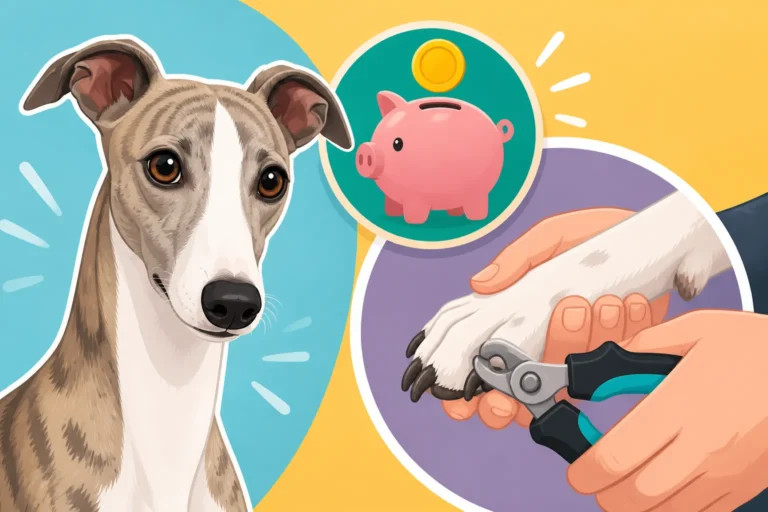
Why a Whippet Is Cheap to Feed and Expensive to Insure
It’s a common paradox that often surprises new Whippet owners: how can a dog that barely eats anything manage to rack up such high expenses in other areas? Many people assume a smaller dog equals smaller bills across the board, but with a Whippet, that's simply not the case. This guide will explore this unique financial tightrope, breaking down exactly why your sleek companion might be incredibly cheap to feed, yet surprisingly expensive to insure, and what other costs you should anticipate.
The Lean, Mean Feeding Machine: Why Whippets Are Cheap to Feed
When people first meet a Whippet, their immediate thought is often, "Wow, that dog is skinny!" And while a healthy Whippet is indeed lean, it doesn't mean they're starving. In fact, their svelte physique is part of why their food bill is often a pleasant surprise. Unlike some larger, more robust breeds that seem to be bottomless pits, Whippets tend to be incredibly efficient with their calories.
Their Efficient Metabolism and Small Stature
Whippets possess a metabolism that's truly built for bursts of speed, not for packing on pounds. They are athletes, but they're sprinters, not endurance runners that constantly burn through fuel. Their bodies are designed to be light and agile, meaning they don't carry a lot of unnecessary weight or require a massive caloric intake just to maintain their ideal body condition. Think of them as high-performance sports cars that, once parked, don't guzzle gas. Their smaller size compared to, say, a Greyhound, further contributes to this efficiency. They're big enough to feel like a proper dog but small enough that their nutritional needs are easily met without breaking the bank.
This isn't to say they don't enjoy their food! Oh, they absolutely do. Many Whippets are enthusiastic eaters, but the sheer volume of food they need to sustain themselves is generally much lower than you'd expect for a dog of similar height in a different breed. You might find yourself measuring out what seems like a tiny amount of kibble, only to realize that it's perfectly adequate for their energy levels and maintains their healthy, lean frame. It’s all about balance, and a good quality, nutrient-dense food goes a long way.
Less Food, More Energy: What They Actually Need
Despite their athletic prowess and the speed they can unleash, Whippets are famously known as "40-mile-an-hour couch potatoes." This nickname is key to understanding their feeding requirements. They'll run their hearts out for a good 20-30 minutes, then crash for hours, often curled up in a sunbeam or under a blanket. This lifestyle of intense, short bursts of activity followed by long periods of rest means their daily caloric needs aren't astronomical.
An adult Whippet typically requires a good quality kibble, or a balanced fresh food diet, in moderate portions. You won't be buying gigantic bags every other week like owners of some mastiff breeds. Many owners find success with brands that offer high-quality ingredients, often designed for active dogs, but the total volume consumed remains relatively low. For instance, a quality fresh food option like Ollie, known for its tailored meal plans, can provide precise nutrition without overfeeding, which is perfect for a Whippet's efficient system. If you're wondering exactly how much a Whippet should eat, it's always best to follow feeding guidelines based on their ideal weight and activity level, and your vet's advice.
Dispelling the Myth of the Voracious Sighthound Appetite
There’s often a misconception that all sighthounds are constantly hungry, perhaps because of their racing background or their lean appearance. While some individual Whippets might be food-motivated, as a breed, they don't typically have the insatiable appetites seen in some working breeds or larger hounds. They are generally quite satisfied with their allotted meals. This translates directly to lower monthly food bills. You're not constantly topping up their bowl or buying expensive specialty treats just to keep them from raiding the pantry.
Of course, treats for training and enrichment are still part of the budget, but again, their smaller size means less volume. Owners often opt for healthier, lower-calorie options to avoid inadvertently packing on weight, which can happen more easily than you think if treats are overdone. The key is quality over quantity, and for a Whippet, that means efficient feeding with good ingredients without the need for excessive amounts of food. You'll likely find that keeping weight on a Whippet without making it fat is a more nuanced task than just piling on the kibble; it's about consistent, appropriate portions.
The Sticker Shock: Understanding Whippet Insurance Costs
Now, flip the coin to the other side of the ownership equation: insurance. This is where the costs can surprisingly escalate for a Whippet owner, often catching people off guard. What seems like a robust, athletic dog on the track can be surprisingly delicate in the vet's office, and insurers are well aware of the specific health needs and risks associated with the breed.
Sighthound-Specific Medical Protocols and Their Impact
One of the biggest factors driving up insurance costs for Whippets is their unique physiological makeup, particularly concerning medical procedures. Whippets, like other sighthounds, require a specialized sighthound anesthesia protocol. They metabolize certain drugs differently and are highly sensitive to others, leading to a slower and riskier recovery from sedation or general anesthesia if not managed correctly. This means vets need to use specific, often more expensive, anesthetic agents and closely monitor them during and after any procedure, even for something as routine as a dental cleaning or a minor stitch-up.
Because of this heightened risk and the need for specialized care, any procedure requiring sedation or anesthesia immediately incurs a higher cost. Insurers factor this in, understanding that the baseline cost for many common veterinary interventions will be elevated compared to a non-sighthound breed. Even a simple nail trim might be riskier if your Whippet is nervous and needs light sedation, impacting the overall expense. This awareness of "Why Anesthesia Is Riskier in a Whippet" is crucial for both owners and insurance providers.
Common Whippet Health Concerns Insurers Factor In
While Whippets are generally a healthy breed with a good lifespan of The Twelve to Fifteen Years a Whippet Lives, they do have a few breed-specific predispositions that insurers keep in mind. One of the most significant is their propensity for skin tears and lacerations. Their thin skin that sends a Whippet to the vet for stitches is not padded by fat or thick fur, making them susceptible to injury even from minor bumps or scrapes, especially during their enthusiastic zoomies or while navigating household obstacles. These injuries often require veterinary attention, sometimes stitches, and potentially follow-up care, which adds up quickly.
Cardiac health is another consideration. While many Whippets have what appears to be an "enlarged heart" on X-ray, this is often a normal physiological adaptation for their athletic build, not a disease. However, they are predisposed to conditions like Mitral Valve Disease, which is what ends most old Whippets. While often appearing in senior years, the potential for expensive cardiac diagnostics and lifelong medication for heart conditions can be a concern for insurers. Eye conditions such as Progressive Retinal Atrophy in a Whippet can also be a factor, even if less common. Insurers assess these breed-specific risks when calculating premiums, reflecting the potential for future claims.
The Cost of Emergency Care for a Delicate Breed
Let's be realistic: no matter how careful we are, accidents happen. For a Whippet, a seemingly minor incident can quickly turn into an emergency vet visit. That thin skin we talked about? It means that a playful tumble or an unfortunate brush against a sharp edge can result in a deep laceration needing immediate attention. The emergency stitches: the Whippet bill nobody budgets for can be substantial, especially if it happens outside regular clinic hours. An after-hours emergency vet visit carries premium pricing, and when you combine that with the need for sighthound-specific anesthesia protocols, the bill can climb rapidly.
This isn't just about cuts. Whippets, with their long, slender legs, can be prone to fractures if they have an unfortunate fall or collision. While not as common as skin tears, the cost of orthopedic surgery and rehabilitation for a Whippet can be astronomically high. Insurance providers like Healthy Paws, which focus on comprehensive accident and illness coverage, take these potential high-cost scenarios into account. They understand that while a Whippet might not suffer from chronic conditions as frequently as some other breeds, the acute, emergency incidents can be severe and very expensive to treat. This makes robust insurance a wise, albeit costly, investment for many Whippet owners.
Beyond Kibble and Premiums: Other Significant Ownership Costs
While food and insurance might be the most contrasting financial aspects, owning a Whippet involves a spectrum of other expenses that contribute to the overall cost. These aren't necessarily higher or lower than other breeds, but they are crucial for providing a comfortable and healthy life for your sighthound.
The Essential Whippet Wardrobe
You’ve probably seen pictures of Whippets bundled up in stylish coats and sweaters, and it’s not just for fashion! A Whippet has no insulation and no padding. Their extremely short, fine coat and lack of body fat mean they get cold easily, even indoors in a moderately warm home, let alone outdoors in chilly weather. This necessity translates into a significant investment in a "wardrobe" that goes far beyond a collar and leash.
From cozy fleece pajamas for indoor comfort to waterproof, insulated winter coats for walks, you'll find yourself accumulating an array of garments. Many owners also find a lighter rain jacket or a cooling coat for warmer climates to be essential. A well-fitting coat can be surprisingly expensive, especially if you opt for brands that cater specifically to sighthound shapes with their deep chests and tucked-up bellies. This isn't a luxury; it's a fundamental part of keeping your Whippet comfortable, healthy, and preventing them from getting too cold and shivering. Think of The Wardrobe a Whippet Needs Because It Has No Body Fat as an ongoing collection of necessities.
Specialized Bedding and Comfort Needs
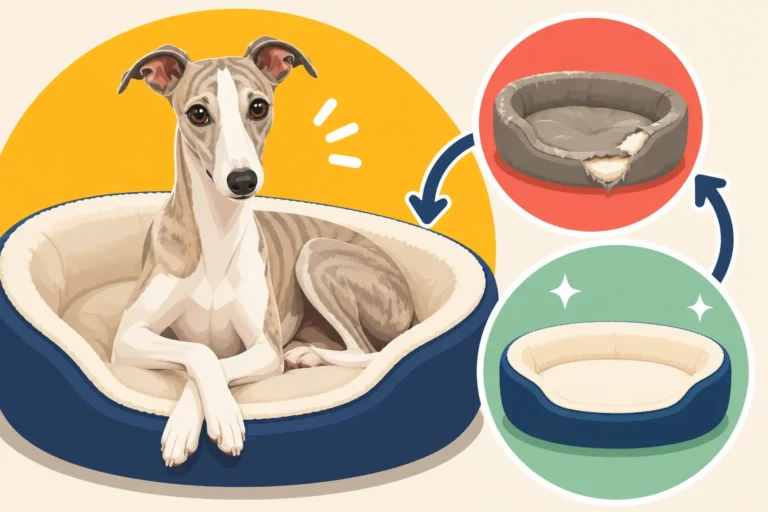
Just like their need for warmth, Whippets also require very specific bedding. Because they have so little body fat, they are prone to pressure sores if they consistently sleep on hard surfaces. This means that having soft, well-padded beds throughout your home is not just a treat, but a necessity. The pressure sores a Whippet gets from sleeping on the floor can be painful and lead to further skin issues.
You'll likely find yourself investing in orthopedic beds, memory foam pads, and an abundance of blankets. Many Whippet owners jokingly refer to their homes as "bed factories" because there's usually a comfy spot in every room. These beds need to be durable, comfortable, and often large enough for them to stretch out fully. Replacing these as they wear out, or simply adding more for new favorite napping spots, becomes a regular expense. Whether it's a plush dog bed from Chewy or a specially designed sighthound mat, prioritizing their comfort is key to their well-being.
Regular Vet Visits and Preventative Care
Beyond emergency situations, regular veterinary care forms a consistent part of Whippet ownership costs. This includes annual check-ups, vaccinations, parasite prevention (heartworm, flea, and tick medication), and routine screenings. While a Whippet's smaller size might mean slightly lower doses for some medications, the frequency of these visits and treatments remains the same as any other dog.
It’s especially important for Whippets to have thorough dental care, as teeth are the Whippet problem that sneaks up. Their narrow jaws can sometimes lead to crowded teeth, making them prone to tartar buildup and dental disease at a younger age than some other breeds. Regular brushing, dental chews, and professional dental cleanings under anesthesia (remembering the sighthound protocol!) are crucial and contribute significantly to overall costs. Preventative care helps catch issues early and often prevents more expensive problems down the line, making these routine expenses a wise investment in your Whippet's long-term health.
The Delicate Balance: Saving on Whippet Care Without Compromising Quality
It's clear that Whippet ownership involves a range of costs, some expected, some less so. But there are certainly ways to be a savvy owner and manage these expenses without ever cutting corners on your Whippet's health or happiness. It's all about making informed choices and prioritizing where it truly matters.
Smart Food Choices and Portion Control
When it comes to feeding, quality matters more than quantity for a Whippet. Opting for a high-quality kibble that provides complete and balanced nutrition can actually be more cost-effective in the long run than buying cheaper, filler-laden foods. Better ingredients mean your Whippet gets more nutrients from less food, leading to smaller portion sizes and fewer digestive issues. You might pay a bit more per bag, but the bag will last longer, and your dog will be healthier.
Strict portion control is also vital. Because Whippets are so efficient with calories, it's surprisingly easy for them to gain excess weight, even from a few extra treats or slightly too much kibble. An overweight Whippet slows down and is at higher risk for joint issues and other health problems, which can lead to even more significant vet bills. Measuring out meals precisely and using treats judiciously not only saves on food costs but also contributes directly to their long-term health. This careful approach helps in keeping weight on a Whippet without making it fat, ensuring they stay at their athletic ideal.
Maximizing Preventative Care to Avoid Bigger Bills
This might sound counterintuitive when discussing saving money, but preventative care is genuinely one of the best investments you can make. Regular veterinary check-ups, staying on top of vaccinations, and consistent parasite control (fleas, ticks, heartworm) prevent small issues from becoming major, expensive emergencies. For example, ensuring your Whippet is protected from heartworm disease through monthly medication is far, far cheaper than treating a full-blown heartworm infection.
Early detection of potential issues is another huge benefit. During routine exams, your vet can identify the signs an old Whippet is getting old, or spot a burgeoning dental problem before it requires multiple extractions. Discussing your Whippet's overall health with a veterinarian who understands sighthounds is invaluable. This proactive approach can lead to identifying breed-specific concerns, like the onset of Mitral Valve Disease in a Whippet, early enough to manage it, potentially extending their quality of life and preventing more urgent, costly interventions later.
Exploring Insurance Options and Deductibles
Pet insurance is a big expense, but it's also your safety net. To make it more manageable, it's worth thoroughly researching different providers and policy options. Companies like Healthy Paws are popular for their comprehensive coverage, but there are many others, and plans can vary widely in what they cover, deductibles, and reimbursement rates. Think about what deductible level you're comfortable with. A higher deductible will mean lower monthly premiums, but you'll pay more out-of-pocket before your insurance kicks in.
It's also crucial to understand what conditions might be considered pre-existing and excluded from coverage if you wait too long to enroll your Whippet. Getting a policy when your Whippet is a puppy, before any conditions manifest, usually offers the best long-term value and most comprehensive coverage. Compare quotes, read reviews, and consider what types of incidents (accidents, illnesses, or both) you want to be covered for. It's about finding the right balance between premium cost and peace of mind for those potentially large, unexpected veterinary bills.
Investing in Comfort: Why Quality Supplies Are Not an Option, But a Necessity
For a Whippet, certain supplies aren't merely accessories or conveniences; they are fundamental to their health and well-being. Skimping on these items can lead to discomfort, injury, or even chronic health problems, ultimately costing you more in vet bills and heartache.
Protecting Thin Skin: The Importance of Good Bedding
As we’ve discussed, a Whippet has very little natural padding. This makes high-quality, supportive bedding an absolute non-negotiable. Allowing a Whippet to consistently sleep on hard floors, even if they occasionally opt for it, can lead to painful pressure sores, especially on elbows and hocks. These aren't just cosmetic; they can become infected or lead to chronic skin irritation. Investing in good orthopedic or memory foam beds for all primary sleeping areas is crucial.
These beds need to be durable, washable, and provide ample cushioning. While they might seem like a substantial upfront cost, they protect your Whippet's delicate skin and joints, preventing issues that would be far more expensive to treat at the vet. Many owners find themselves frequently replacing cheaper, thinner beds because they break down too quickly, offering false economy. Better to buy fewer, but higher quality, beds that truly last and support your Whippet's body. Products available on platforms like Chewy often include detailed descriptions of firmness and material, helping owners make informed choices for their sensitive sighthounds.
Staying Warm: Essential Coats for All Seasons
The Whippet's thin coat provides almost no protection against the elements, making a comprehensive collection of coats an essential investment. It's not just about bitter winter winds; cool autumn evenings, damp spring mornings, or even just a drafty house can chill a Whippet to the bone. Keeping a Whippet warm without overheating it requires a variety of layers.
You'll need a good, well-fitted winter coat for cold weather walks, preferably one that covers their chest and belly well. Fleece onesies or pajamas are fantastic for keeping them toasty indoors or for chilly nights. A lightweight rain slicker is also invaluable, as a wet Whippet gets cold extremely quickly. Don’t forget that some Whippets also benefit from a snood to protect their ears in severe cold. While the initial outlay for a selection of quality coats can feel steep, especially if you're buying custom-fit items, these garments directly contribute to your Whippet's comfort, prevent shivering, and help regulate their body temperature, safeguarding against potential illness.
Dental Care: An Often-Underestimated Cost
Dental health in Whippets is a silent financial drain if ignored. Due to their conformation, Whippets are prone to developing dental disease, including tartar buildup, gingivitis, and eventually tooth loss, sometimes at a surprisingly young age. Many owners mistakenly believe that occasional dental chews or kibble alone are sufficient, but often, they are not.
Regular brushing with dog-specific toothpaste is the gold standard for prevention, but many Whippets will still require professional dental cleanings throughout their lives. These procedures involve anesthesia, which, as we’ve discussed, is more complex and therefore more expensive for a sighthound. The cost of a Whippet's dental cleaning under anesthesia can be several hundred dollars, and that's without any extractions. If teeth need to be pulled, the bill can quickly climb much higher. Investing in preventative measures like daily brushing and providing appropriate dental chews can help reduce the frequency and severity of professional cleanings, saving money and preventing discomfort for your Whippet in the long run.
The Long-Term Financial Picture: A Whippet's Life Journey
Understanding the annual costs is one thing, but truly grasping the financial commitment of a Whippet means looking at the big picture: their entire lifespan. From a mischievous puppy to a revered senior, the expenses evolve, presenting different challenges and rewards.
Puppyhood to Adulthood: Evolving Expenses
The initial costs of bringing a Whippet puppy home can be significant. First, there's the price of the puppy itself. What a Whippet puppy costs varies, but a well-bred, health-tested puppy from a reputable breeder can be a substantial investment. Then comes the initial gear: a crate, toys, appropriate food, a martingale collar (essential for their slender necks), and basic vet care like initial vaccinations and deworming. Puppy classes are also highly recommended for socialization and basic training, adding to the early expenses.
As they transition into adolescence and adulthood, the focus shifts. While the initial one-off purchases decrease, recurring costs like food, insurance premiums, and preventative vet care become the norm. This is often when owners start participating in activities like lure coursing or Fast CAT, which involve entry fees and travel expenses, especially if you want to earn titles. These active years are often the healthiest, meaning fewer unexpected vet bills for illness, but maintaining their athleticism and overall well-being still requires consistent financial input.
Caring for an Old Whippet: Senior-Specific Costs
The Golden Years of a Whippet's life, typically after the age of ten, often bring a new set of financial considerations. Just like humans, senior dogs require more specialized care. An old Whippet often feels the cold more acutely, meaning even more emphasis on warm bedding and cozy coats, sometimes even indoors. Their joints might start to ache, necessitating orthopedic beds, ramps, or even joint supplements prescribed by your vet.
Health concerns also tend to increase with age. Regular bloodwork, often including tests for thyroid function or kidney health (though some of The Bloodwork Numbers That Look Wrong on a Healthy Whippet are normal for sighthounds), becomes more frequent. Conditions like Mitral Valve Disease can progress, requiring costly medications and regular cardiac check-ups. Arthritis is also common, and managing pain can involve ongoing medication or even alternative therapies. Caring for an old Whippet means being prepared for these escalating medical needs, which is where a good pet insurance policy, ideally started when they were young, truly proves its worth.
Unexpected Expenses: Being Prepared for Anything
No matter how meticulous your budgeting, owning a dog inevitably comes with unexpected costs. This could be anything from a sudden injury requiring emergency surgery, to a diagnosis of a chronic illness that demands ongoing specialist care. Even behavioral issues might require working with a professional trainer or behaviorist. These unforeseen circumstances are often the most financially challenging.
One of the best ways to mitigate the impact of unexpected expenses is to have a robust emergency fund specifically for your pet, in addition to or instead of insurance if your personal financial situation makes that feasible. Setting money aside for a Whippet's vet bills can provide immense peace of mind. While the joy and companionship a Whippet brings are priceless, understanding and preparing for the financial realities, both predictable and unpredictable, ensures you can provide them with the best possible life without undue stress.
| Cost Category | Whippet Cost Assessment | Typical Expense (General) | Notes for Whippets |
|---|---|---|---|
| Food | Low to Moderate | Varies | Efficient metabolism, smaller size means less volume. Quality food is key; brands like Ollie offer tailored plans. |
| Insurance | High | Moderate to High | Sighthound anesthesia protocols, thin skin/laceration risk, some cardiac predispositions. Healthy Paws is a strong consideration for comprehensive coverage. |
| Bedding | Moderate to High (Essential) | Moderate | Requires multiple, high-quality, padded beds to prevent pressure sores due to lack of body fat. Available from retailers like Chewy. |
| Coats/Apparel | Moderate to High (Essential) | Low | No body fat/thin coat means multiple coats (winter, rain, pajamas) are vital for warmth and comfort. |
| Routine Vet Care | Moderate | Moderate | Annual check-ups, vaccinations, parasite control. Dental care is particularly important and can be costly. |
| Emergency Vet Care | Very High (Potential) | High | High risk for skin lacerations; specialized anesthesia for any emergency procedure. |
| Training/Activities | Moderate (Optional but Recommended) | Moderate | Puppy classes, lure coursing, Fast CAT. Costs vary based on participation. |
| Dental Care | Moderate to High | Moderate | Prone to dental disease; professional cleanings with specialized anesthesia are frequent necessities. |
| Senior Care | High (Later Life) | Moderate to High | Increased vet visits, potential for ongoing medications for age-related conditions like arthritis or heart disease. |
Disclaimer
This article is for general informational purposes only and does not constitute professional advice. Laws, prices and regulations vary by location and change over time. Consult a qualified professional for guidance on your specific situation.