Whether a Blue Whippet Has More Eye Problems
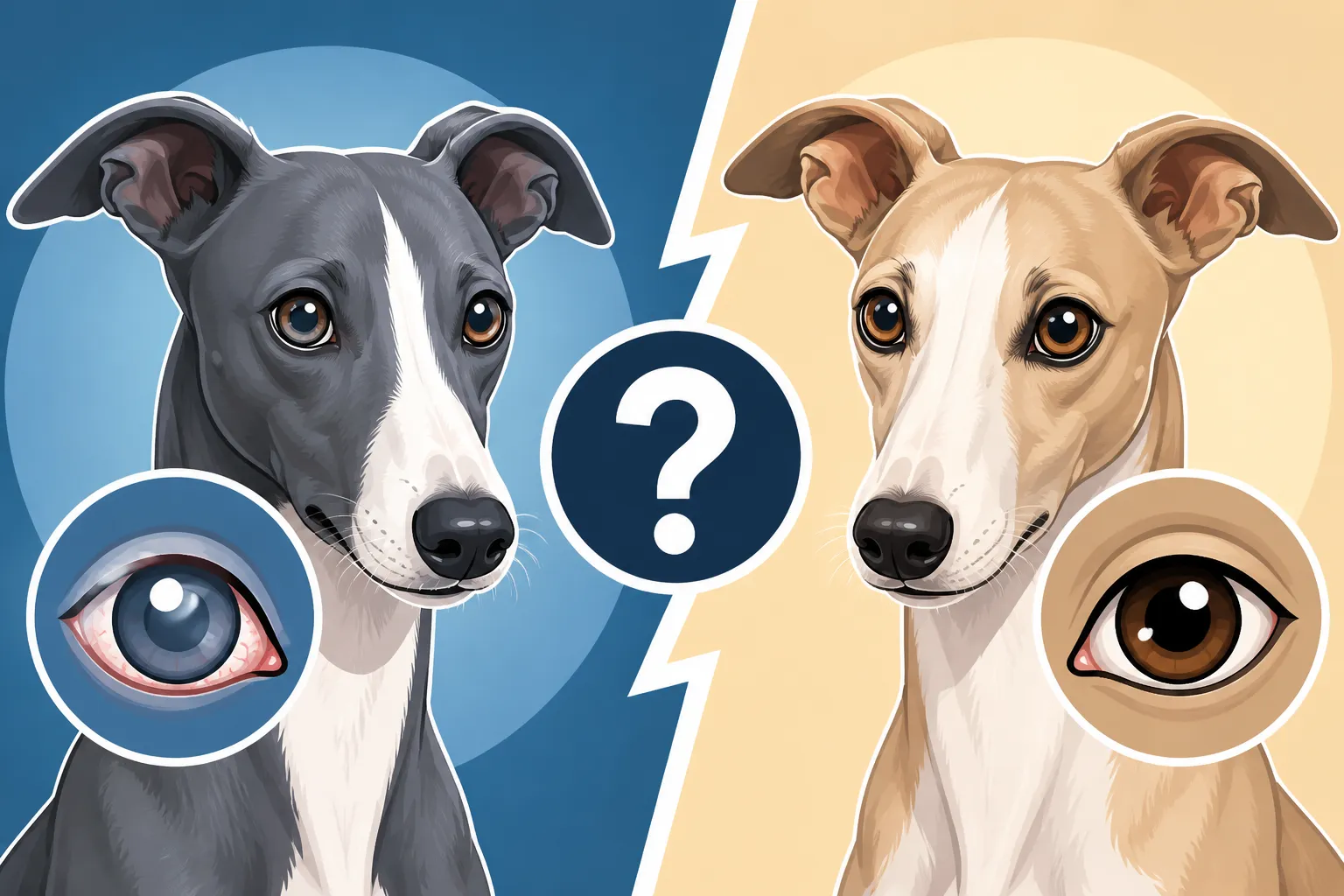
It's completely natural to feel a flutter of worry when you hear whispers or read forums suggesting that certain coat colors in dogs might come with a predisposition to health issues. When it comes to our beloved blue Whippets, one common concern that pops up is whether their unique, beautiful coat is linked to more eye problems. This guide will walk you through the realities of Whippet eye health, clarify the science behind coat color, and help ease those worries, ensuring you know how to best care for your blue companion's peepers.
Understanding Whippet Coat Color Genetics
Before we dive specifically into eye health, let's chat a bit about what makes a Whippet "blue" in the first place. It’s not just a pretty color; it’s a genetic reality, and understanding it can help demystify some of the health fears.
The Basics of Blue in Whippets
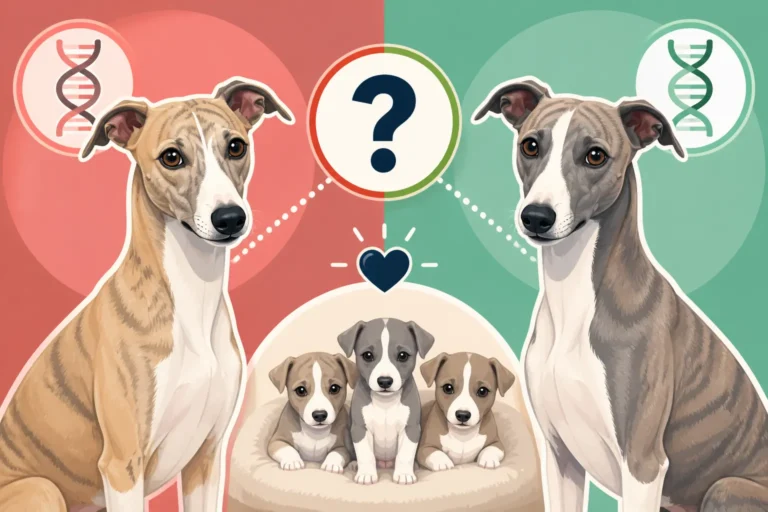
The color blue in Whippets, as in many other breeds, is a dilute form of black. This dilution is caused by a recessive gene, often referred to as the "dilute" gene (d locus). When a dog inherits two copies of this gene (dd), any black pigment it would normally express becomes blue, and any red pigment becomes cream or fawn. So, a blue Whippet is genetically a black Whippet with the dilute gene acting on that black. It's a perfectly natural and recognized color within the breed standard, loved by many for its striking appearance. You'll often see these gorgeous dogs ranging from a light, silvery grey to a deep, slate blue, sometimes with white markings.
Dispelling the Dilution Myth
The "dilution myth" refers to the misconception that any dilute coat color (blue, Isabella/lilac) automatically comes with a host of health problems. This simply isn't true across the board, especially for Whippets. While some breeds do have genetic conditions linked to dilution or specific coat patterns (like merle or extreme white spotting, which can be linked to deafness or eye issues in breeds like Australian Shepherds or Dalmatians), these are distinct genetic mechanisms and not directly tied to the dilute gene in Whippets. A blue Whippet is not inherently "weaker" or more prone to general health problems just because of its color. The genetics for coat color are generally separate from those governing overall health, although there are a few exceptions we'll touch on later.
Specific Eye Conditions in Whippets
When we talk about eye problems, it's essential to distinguish between general conditions that can affect any Whippet and those specifically linked to a genetic trait like coat color. For the vast majority of eye issues, your Whippet's coat color plays no role whatsoever.
Common Whippet Eye Issues
Whippets, like all breeds, can be susceptible to a range of eye conditions. These are not tied to their blue coloration but rather to their breed genetics as a whole or are just common ailments found across dogs. For instance, Progressive Retinal Atrophy in a Whippet is a degenerative disease that can lead to blindness, and it’s something breeders often screen for. Similarly, cataracts in a Whippet can develop at various ages and can impair vision. These cloudy opacities on the lens are often inherited but can also be caused by diabetes or injury.
Other conditions include lens luxation, where the lens of the eye shifts out of place, and corneal dystrophy, which involves abnormal deposits in the cornea. It's important for owners to be aware of these possibilities and to have their Whippet's eyes checked regularly by a veterinarian. Catching any issues early can make a huge difference in managing the condition, and if you have pet insurance like Healthy Paws, it can really help with the cost of specialized diagnostics and treatment.
The Lack of Link to Blue Color
Here's the reassuring news: there is no scientific or veterinary evidence to suggest that blue Whippets are more prone to these specific eye problems than Whippets of any other color. The genes responsible for diluting black pigment to blue are entirely separate from those that predispose a Whippet to conditions like PRA or cataracts. Your fawn, brindle, black, or blue Whippet all share the same baseline risk for these general eye diseases, based on their overall genetic lineage, not their coat color.
This isn't to say a blue Whippet can't develop an eye problem – any dog can – but their color isn't the reason. It's crucial for prospective owners to look for breeders who perform proper health screenings on their breeding stock, regardless of color. This includes ensuring that The Health Tests Both Whippet Parents Should Have are completed, especially for conditions known to affect the breed.
Dilution-Related Health Concerns (and why eyes aren't one of them)
While blue coloration isn't linked to increased eye problems in Whippets, there are specific conditions in some dilute-colored dogs that are worth discussing to avoid confusion. These conditions, however, mainly affect the skin and coat, not the eyes, and are relatively rare in Whippets.
Color Dilution Alopecia CDA
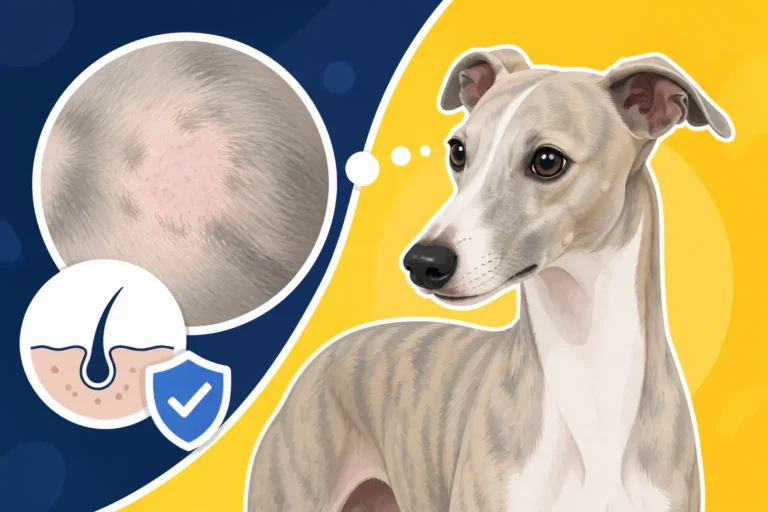
One condition often associated with dilute coat colors in certain breeds is Color Dilution Alopecia (CDA). This is a genetic skin condition characterized by hair loss, usually in the dilute-colored areas, often accompanied by flaky, itchy skin and recurrent infections. While it's more commonly seen in breeds like Doberman Pinschers, Great Danes, and some others with dilute coats, it is quite rare in Whippets. When it does occur, it's primarily a dermatological issue affecting the hair follicles and skin, leading to thinning hair or bald patches. It does not affect the eyes.
If your blue Whippet develops patchy hair loss, especially along the back or flanks, it's definitely something to bring up with your vet. However, it's not an "eye problem" and is, thankfully, uncommon in Whippets. Even with a rare condition like CDA, a comprehensive pet insurance plan from providers like Healthy Paws can provide peace of mind by covering diagnostic tests and ongoing treatment costs, which can be significant.
Deafness and Dilution
Another association people sometimes make with dilute or certain color patterns is deafness. This link is generally seen in breeds with extensive white markings, particularly those with the merle gene (which isn't present in Whippets) or piebald spotting, such as Dalmatians, Boxers, or some collies. In these cases, the lack of pigment in the inner ear can lead to congenital deafness. For instance, there's a recognized connection between a lack of pigment in certain breeds and Whether a White Marked Whippet Can Be Deaf.
However, blue Whippets, by virtue of their color alone, do not have an increased risk of deafness. The dilute gene that makes a Whippet blue works differently than the genes associated with merle or extreme white spotting, which are the primary culprits for deafness in other breeds. So, while it's good to be aware of how pigmentation can impact health in dogs generally, this particular concern doesn't apply to blue Whippets.
Prioritizing Eye Health for All Whippets
Regardless of your Whippet's color, proactive care is the best way to ensure their eyes remain healthy throughout their life. From routine check-ups to understanding breed-specific screenings, there’s a lot you can do.
Regular Veterinary Check-ups
Just like with any aspect of your dog's health, regular veterinary check-ups are paramount for eye health. Your general practice veterinarian will typically perform a basic eye examination during your Whippet's annual wellness visit. This involves checking for discharge, redness, cloudiness, or any obvious signs of discomfort or injury. They'll also look at pupillary light reflexes and general eye structure. These routine exams are crucial for catching minor issues before they become major problems. Remember, Whippets have delicate systems, and early detection is always key.
If your vet notices anything concerning or if your Whippet exhibits symptoms like excessive tearing, squinting, rubbing at their eyes, or changes in vision, they may recommend a referral to a board-certified veterinary ophthalmologist. This specialist has advanced training and equipment to diagnose and treat complex eye conditions. Having pet insurance, like a plan from Healthy Paws, can certainly help defray the costs associated with these specialist visits and sophisticated diagnostic tests, making sure your Whippet gets the best care without undue financial stress.
Specialized Eye Exams for Breeding Whippets
For those involved in breeding Whippets, or for anyone considering getting a puppy, understanding the importance of specialized eye exams is critical. The Orthopedic Foundation for Animals (OFA) maintains a database of health clearances, including eye certifications performed by veterinary ophthalmologists. These exams screen for inheritable eye diseases known to affect the breed. Responsible breeders will have their breeding Whippets undergo these exams annually to ensure they are not passing on genetic eye conditions to their puppies.
When looking for a puppy, always ask about the parents' eye certifications. This due diligence helps ensure you're bringing home a puppy with the best possible genetic start to life, reducing the chances of developing conditions like Progressive Retinal Atrophy in a Whippet or cataracts. These screenings contribute to the overall health of the breed and help preserve The Twelve to Fifteen Years a Whippet Lives in good health.
Recognizing Signs of Trouble
As a Whippet owner, you are your dog's first line of defense against health problems. Being vigilant about changes in your Whippet's eyes can help you catch issues early. Here are some signs that warrant a call to your vet:
- Redness or Swelling: Any unusual redness in the white part of the eye, or swelling around the eyelids.
- Discharge: Excessive tearing, pus-like discharge, or crusting around the eyes.
- Cloudiness or Change in Color: A bluish or milky appearance to the cornea, or a change in the color of the iris.
- Squinting or Pawing: If your Whippet is constantly squinting, holding an eye shut, or pawing at their face, it could indicate pain or irritation.
- Sensitivity to Light: Shying away from bright lights or struggling in sunny conditions.
- Difficulty Seeing: Bumping into furniture, hesitating on stairs, or being generally disoriented, especially in low light, could point to vision impairment.
- Unequal Pupil Sizes: Pupils that are different sizes or don't react equally to light.
Many eye conditions can progress rapidly, so if you notice any of these signs, don't delay in contacting your veterinarian. Early intervention can often prevent more severe outcomes. Remember, their thin skin that sends a Whippet to the vet for stitches also means their eyes are relatively exposed and require careful attention.
A Quick Glance at Whippet Eye Health & Coloration
Here’s a helpful table summarizing the key points about Whippet eye health in relation to their coat color.
| Condition/Factor | Description | Relation to Blue Whippets |
|---|---|---|
| Progressive Retinal Atrophy (PRA) | Degenerative disease leading to blindness. | Affects all Whippet colors; not linked to blue. Breeders should test. |
| Cataracts | Clouding of the eye lens, impairing vision. | Affects all Whippet colors; not linked to blue. Hereditary forms exist. |
| Lens Luxation | Displacement of the eye lens. | Affects all Whippet colors; not linked to blue. Genetic component in some breeds. |
| Corneal Dystrophy | Abnormal deposits in the cornea. | Affects all Whippet colors; not linked to blue. |
| Color Dilution Alopecia (CDA) | Skin/coat condition, hair loss in dilute areas. | Affects blue Whippets, but rarely; not an eye problem. |
| Deafness | Hearing loss. | Not linked to blue color in Whippets. Associated with merle/extreme white in other breeds. |
| Overall Eye Health | General health and function of the eyes. | Not negatively impacted by blue coloration. |
| Required Health Screening | OFA Eye Certification for breeding dogs. | Essential for all Whippets, regardless of color. |
Conclusion on Blue Whippets and Eye Problems
To put it simply, no, a blue Whippet does not inherently have more eye problems than a Whippet of any other color. The charming blue hue of their coat, a result of the dilute gene, is not a marker for increased risk of common Whippet eye conditions like PRA or cataracts. Concerns about dilution-related health issues, while valid in some other breeds for conditions like Color Dilution Alopecia (which is rare in Whippets and affects skin, not eyes), do not extend to eye health in our slender, graceful Whippet companions.
What does matter is responsible breeding practices that include regular eye examinations and genetic screening for inheritable conditions. Furthermore, consistent care from you, the owner, including routine vet check-ups and vigilance for any changes in their eyes, is the best defense. So, you can enjoy your beautiful blue Whippet without the added worry that their unique color predisposes them to vision troubles.
Disclaimer
This article is for general informational purposes only and does not constitute professional advice. Laws, prices and regulations vary by location and change over time. Consult a qualified professional for guidance on your specific situation.