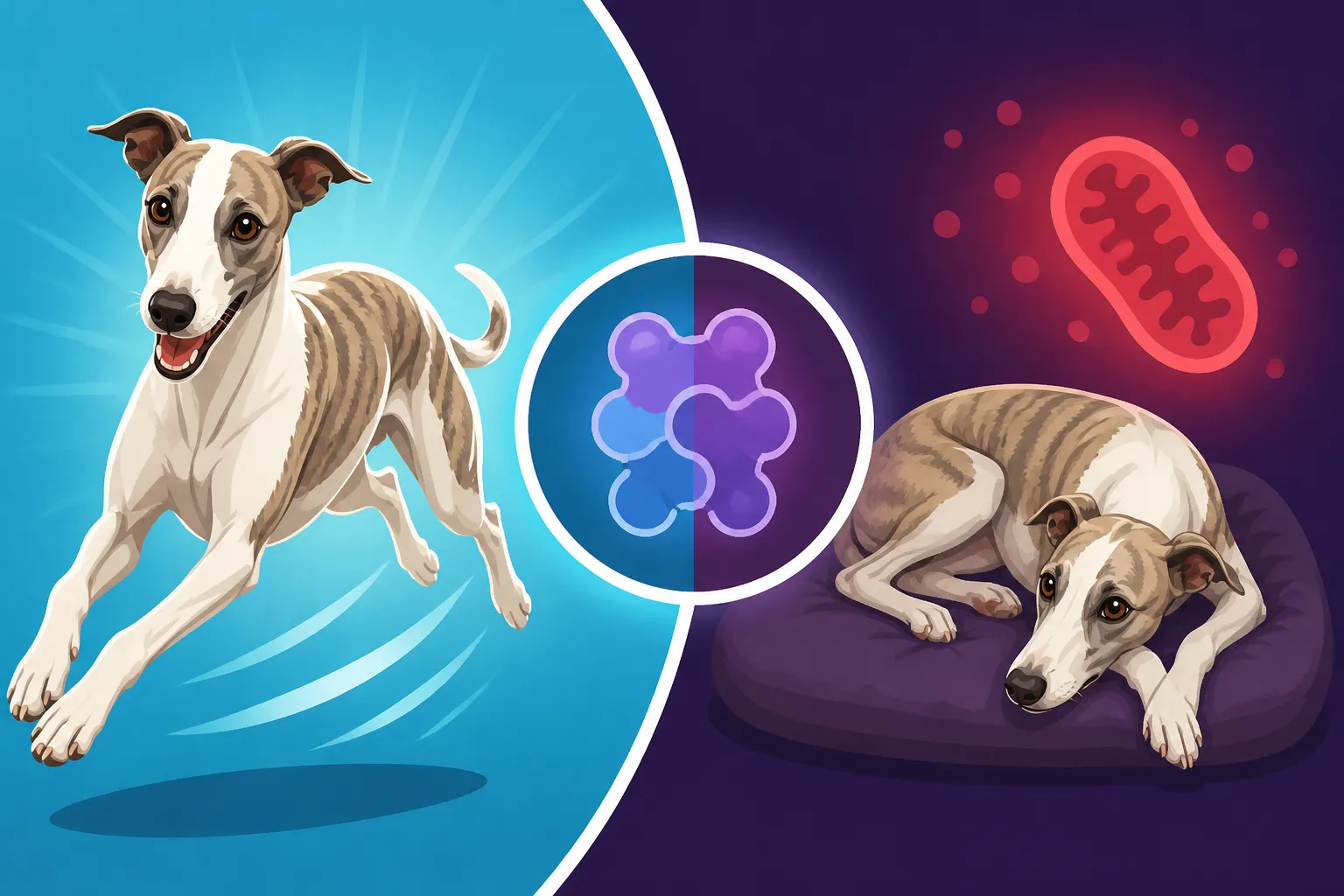
What Phosphofructokinase Deficiency Does to a Whippet
It's incredibly distressing to see your normally vivacious Whippet suddenly struggling with exercise, appearing weak, or even passing dark, almost black urine after what should have been a fun romp. These alarming signs can point to a serious underlying genetic condition known as Phosphofructokinase (PFK) Deficiency. This guide is here to shed light on what PFK Deficiency truly means for your beloved Whippet, how to recognize its often confusing symptoms, and the best ways to manage this challenging illness, so you're equipped with knowledge and confidence.
Understanding Phosphofructokinase (PFK) Deficiency in Whippets
Phosphofructokinase (PFK) Deficiency is a metabolic disorder that affects a Whippet's ability to produce energy, primarily impacting their red blood cells and muscle tissue. It's a condition that can catch many owners off guard because it’s not always obvious until an episode is triggered. For a breed known for its explosive sprints and incredible athleticism, a condition that hinders their energy production can be particularly concerning. Understanding the science behind it helps clarify why it manifests the way it does in our lean, active companions.
The Role of PFK in Energy Metabolism
To truly grasp PFK deficiency, we need to talk a little bit about how our Whippets (and we!) get their energy. Inside every cell, there’s a process called glycolysis, which is essentially the body's way of breaking down glucose (sugar) to create energy. Think of it like a miniature power plant. Phosphofructokinase is a crucial enzyme, a kind of biological catalyst, that plays a vital role in one of the early, rate-limiting steps of glycolysis. Without a properly functioning PFK enzyme, this energy-producing pathway gets seriously gummed up.
When PFK isn't doing its job efficiently, cells, particularly red blood cells and muscle cells, can't properly metabolize glucose into the energy they need. It’s like having a car with plenty of fuel but a faulty engine component preventing it from actually moving. This disruption means that under normal circumstances, and especially during periods of increased energy demand like exercise, these cells simply can’t keep up. The energy deficit can lead to a cascade of problems, from muscle weakness to the destruction of red blood cells, which carry oxygen throughout the body.
How the Genetic Mutation Impacts Red Blood Cells and Muscles
The specific genetic mutation causing PFK deficiency in Whippets results in a defective or insufficient amount of the PFK enzyme. This has a two-pronged attack on your dog's health. First, and perhaps most critically, it impacts red blood cells. Red blood cells rely almost exclusively on glycolysis for their energy, which they need to maintain their integrity and carry oxygen effectively. When PFK is deficient, these cells become fragile, and their lifespan is significantly shortened.
This fragility leads to hemolytic anemia, where red blood cells are prematurely destroyed, often during periods of stress, excitement, or intense exercise. When these cells burst, they release hemoglobin, which can then overwhelm the kidneys and lead to the dark urine you might notice. Secondly, muscle cells are also affected, though typically less severely than red blood cells. While muscle cells have other ways to produce energy, the PFK deficiency can still impair their ability to generate quick, powerful bursts of energy, leading to the exercise intolerance that is a hallmark of the condition. It’s a systemic issue, affecting the very core of how your Whippet's body functions.
Why Whippets Are Prone to This Specific Deficiency
Whippets are not alone in experiencing PFK deficiency; it's also recognized in breeds like English Springer Spaniels. However, in Whippets, it's a known, albeit relatively rare, genetic predisposition. The reason for this breed-specific vulnerability lies in its genetic heritage. PFK deficiency is an inherited autosomal recessive disorder. This means that a Whippet must inherit two copies of the defective gene—one from each parent—to be affected by the disease. If a Whippet inherits only one copy, they are considered a "carrier" and will not typically show symptoms themselves, but they can pass the gene on to their offspring.
Over generations, without careful genetic screening, this recessive gene can unfortunately become more prevalent within a breed population. Breeders who are unaware of the carrier status of their breeding stock can inadvertently perpetuate the condition. This highlights the immense importance of responsible breeding practices and the use of genetic testing, which we'll discuss later, to prevent passing on such debilitating conditions within the Whippet community. Because of their athletic nature and the demands often placed on them for speed and stamina, the impact of compromised energy production is particularly evident and debilitating for a Whippet.
Recognizing the Clinical Signs of PFK Deficiency
Spotting PFK Deficiency can be tricky because the symptoms are often intermittent and can mimic other conditions. It's not usually a constant state of illness but rather episodes triggered by specific circumstances. Owners need to be particularly observant, especially after periods of activity or stress. If you’ve ever found yourself wondering why your Whippet, known for its boundless energy, suddenly seems utterly drained, or showing odd symptoms, PFK deficiency might be lurking in the background.
Intermittent Weakness and Exercise Intolerance
One of the most common and frustrating signs of PFK deficiency is a sudden, unexplained weakness or intolerance to exercise. You might take your Whippet out for what should be a perfectly normal run, perhaps even a session of lure coursing or Fast CAT, and notice they tire much more quickly than usual. Instead of their typical exuberance, they might lag behind, appear stiff, or simply refuse to continue. This isn't just about being a little out of breath; it's a profound, sudden onset of fatigue that just doesn't seem right for their usual level of fitness.
These episodes often resolve with rest, but they can be alarming for owners. Imagine your Whippet, who normally loves to zoom around the park, suddenly needing to lie down after only a few minutes. It's not laziness; it's their body literally running out of energy due to the inability of their red blood cells and muscle cells to sustain the metabolic demands. You might even see them collapse temporarily, especially if they've pushed themselves too hard. This intermittent nature makes diagnosis challenging, as a vet might not witness an episode during a routine check-up.
The Danger of Hemolytic Crises and Anemia
The most severe manifestation of PFK deficiency is a hemolytic crisis. This occurs when a large number of fragile red blood cells are destroyed simultaneously, leading to acute anemia. This destruction is often triggered by strenuous exercise, excitement, or even stress. During a crisis, your Whippet might become extremely lethargic, weak, and their gums might appear very pale due to the sudden drop in red blood cell count. This is a medical emergency that requires immediate veterinary attention.
The consequences of such a crisis can be severe. The sudden loss of oxygen-carrying capacity can put a huge strain on the heart and other vital organs. In some cases, the rapid breakdown of red blood cells can also lead to secondary kidney damage as the kidneys struggle to filter out the released hemoglobin. It’s a serious situation that underscores the importance of managing triggers and being prepared. While a healthy Whippet's red cell count runs high, a PFK deficient Whippet can experience the opposite, with dangerously low counts during a crisis.
Dark Urine and Other Less Obvious Symptoms
Beyond weakness and anemia, one of the most distinctive, albeit alarming, signs of a PFK deficiency episode is dark urine. This is often described as coffee-colored or even black, and it’s due to a condition called hemoglobinuria. When red blood cells are destroyed, they release hemoglobin into the bloodstream. This hemoglobin is then filtered by the kidneys and excreted in the urine, giving it that characteristic dark hue. Seeing this can be incredibly frightening for any dog owner.
Other symptoms, though less specific, can also be present. Some affected Whippets might show jaundice, a yellowing of the skin, gums, or whites of the eyes, caused by the buildup of bilirubin from the broken-down red blood cells. They might also have a slightly increased respiratory rate as their body tries to compensate for the reduced oxygen delivery. Fever, abdominal pain, or even vomiting can also occur during a severe hemolytic crisis. Recognizing that Whether a Whippet With PFK Deficiency Passes Dark Urine is a key indicator can prompt you to seek timely veterinary care.
Diagnosing PFK Deficiency in Your Whippet
Receiving a diagnosis of PFK deficiency can be a relief after a period of confusing symptoms and worrying episodes. Getting to that definitive answer, however, often requires a careful investigative process, ruling out other possibilities, and utilizing specific genetic testing. It's a journey that typically starts with your keen observations as an owner and then involves a close partnership with your veterinarian.
Initial Veterinary Examination and Bloodwork Clues
When you bring your Whippet to the vet with symptoms like exercise intolerance, weakness, or dark urine, the first step will involve a thorough physical examination and routine bloodwork. Your vet will be looking for any immediate signs of anemia, such as pale mucous membranes, and assessing their overall condition. While not diagnostic on its own, a complete blood count (CBC) can offer crucial clues.
In an affected Whippet, bloodwork often reveals anemia, particularly during or after an episode. You might see a decrease in red blood cell count, hematocrit, and hemoglobin levels. There might also be signs of hemolysis, such as elevated bilirubin (leading to jaundice) and sometimes elevated liver enzymes if the liver is working overtime to process the breakdown products of red blood cells. Your vet might also note abnormal blood smears, where red blood cells appear malformed or fragmented. It’s important to remember that these findings can be indicative of many conditions, so they are just pieces of the puzzle. Understanding The Bloodwork Numbers That Look Wrong on a Healthy Whippet can help you better interpret initial findings.
The Definitive DNA Test
The absolute, gold-standard way to definitively diagnose PFK deficiency in a Whippet is through a DNA test. This test identifies the specific genetic mutation responsible for the condition. It’s a simple, non-invasive test, usually performed using a cheek swab or a small blood sample. Because PFK deficiency is a known genetic disorder in Whippets, specialized veterinary genetics laboratories offer this screening.
The results of a DNA test will typically classify your Whippet into one of three categories:
- Clear: The Whippet does not have the mutation and cannot pass it on.
- Carrier: The Whippet has one copy of the mutation. They are usually asymptomatic but can pass the gene to their offspring.
- Affected: The Whippet has two copies of the mutation and will exhibit symptoms of PFK deficiency.
This definitive test removes all doubt and allows you to tailor care specifically for your dog's condition. Knowing Whether PFK Deficiency Has a DNA Test in Whippets is crucial for diagnosis and for responsible breeding decisions.
| PFK Deficiency Genetic Test Results | Meaning for Your Whippet | Implications for Breeding |
|---|---|---|
| Clear (N/N) | No copies of the mutation. Will not develop PFK deficiency. | Can be bred to any dog. Offspring will be clear or carriers depending on mate. |
| Carrier (N/PFK) | One copy of the mutation. Typically asymptomatic. | Should only be bred to a "Clear" dog (N/N) to avoid producing affected puppies. |
| Affected (PFK/PFK) | Two copies of the mutation. Will develop PFK deficiency symptoms. | Should not be used for breeding. |
Differentiating PFK from Other Conditions
Before a definitive DNA test, your vet will consider other conditions that can present with similar symptoms, especially weakness, exercise intolerance, or dark urine. This process of elimination is vital to ensure your Whippet gets the correct diagnosis and treatment. For example, other types of anemia, internal bleeding, kidney disease, or even certain muscle disorders can mimic some aspects of PFK deficiency.
Conditions such as immune-mediated hemolytic anemia (IMHA), where the body's own immune system attacks red blood cells, can present very similarly with acute anemia. Muscle diseases or metabolic myopathies could also cause exercise intolerance. Even certain toxins or infections might lead to dark urine. Your vet might run additional tests, such as urinalysis, more comprehensive blood panels, or even imaging, to rule out these possibilities. The unique combination of intermittent exercise-induced weakness, hemolytic anemia, and dark urine, especially after strenuous activity, points strongly towards PFK deficiency, but only the genetic test can confirm it. It’s about building a complete picture of your Whippet’s health.
Living with a Whippet Affected by PFK Deficiency
Discovering your Whippet has PFK Deficiency can feel overwhelming, but it's important to remember that with proper management, many affected dogs can lead fulfilling lives. It’s all about understanding their limitations, adapting their lifestyle, and being proactive in their care. This isn't a condition that means an end to their joy; it just means a shift in how you both enjoy life together.
Adapting Exercise Routines and Preventing Episodes
The most significant lifestyle adjustment for a Whippet with PFK deficiency involves their exercise routine. Since strenuous activity, high excitement, and stress are common triggers for hemolytic crises, unrestricted free running and intense exercise must be carefully managed. This doesn't mean your Whippet can't exercise at all, but it does mean choosing activities wisely and recognizing their individual limits. You will need to think about Whether a Whippet With PFK Deficiency Can Exercise.
Instead of long, high-intensity sprints, opt for shorter, controlled walks and gentle play sessions. Multiple short walks throughout the day are often better than one long, taxing excursion. Avoid situations that might cause extreme excitement or stress, as even these emotional triggers can induce an episode. This might mean avoiding busy dog parks or high-stress environments. Pay close attention to your dog's cues. If they start to slow down, show signs of fatigue, or become less engaged, it’s time to stop and rest. Overheating can also exacerbate issues, so always ensure access to shade and water, especially on warmer days. Many owners wonder Whether Excitement Triggers a PFK Episode in a Whippet, and the answer is a resounding yes, making calm management paramount.
Dietary Management and Nutritional Support
While there isn't a specific "cure" through diet, nutritional support plays a vital role in managing PFK deficiency. The goal is to provide a highly digestible, nutrient-dense diet that supports overall health and helps minimize stress on their system. Since red blood cell production can be compromised, ensuring adequate iron, B vitamins (especially B12 and folate), and other essential nutrients for healthy red blood cell formation is important.
Some vets might recommend a slightly higher fat diet for energy, or discuss supplementation. However, always consult with your veterinarian before making significant changes to your Whippet's diet or adding supplements. They can provide personalized recommendations based on your dog's specific needs and health status. Avoid foods high in simple sugars or processed ingredients that might cause rapid blood sugar fluctuations. Focus on high-quality commercial dog foods or carefully balanced home-prepared meals. Consistent, calm feeding times can also contribute to reducing overall stress, benefiting your PFK-affected Whippet.
Emergency Preparedness for a Hemolytic Crisis
Being prepared for a hemolytic crisis is crucial for any owner of a PFK-deficient Whippet. These episodes can come on suddenly and require immediate action. First and foremost, you should have an established relationship with your veterinarian and an understanding of their emergency protocols. Know the location and contact information for your nearest veterinary emergency clinic.
Keep a written record of your Whippet's condition, including their diagnosis, any past episodes, and medications, easily accessible. This can be invaluable if you need to go to an emergency vet who isn't familiar with your dog. You should also have a plan for transporting your Whippet safely and quickly, as a weakened dog may need assistance. If you notice symptoms like extreme weakness, pale gums, or dark urine, don’t hesitate. Get your Whippet to the vet immediately. Early intervention in a crisis can be life-saving. Even having a pet insurance plan like Healthy Paws, which is known for its comprehensive coverage for unexpected illnesses and accidents, can provide immense peace of mind should an emergency situation arise.
Breeding Considerations and Genetic Testing for PFK Deficiency
The genetic nature of PFK deficiency means that responsible breeding practices are absolutely critical in reducing and eventually eliminating this condition from the Whippet gene pool. For anyone involved in breeding, or even just considering acquiring a Whippet puppy, understanding the inheritance pattern and the role of genetic testing is paramount. It's about protecting the future health of the breed we all cherish.
Understanding the Recessive Inheritance Pattern
As mentioned earlier, PFK deficiency is an autosomal recessive disorder. This means two things are essential to understand:
- Two copies needed: A Whippet must inherit a copy of the defective gene from both its mother and its father to be "affected" and show symptoms of the disease.
- Carriers are silent: A Whippet that inherits only one copy of the defective gene from one parent is called a "carrier." Carriers do not typically show any symptoms of PFK deficiency themselves, living perfectly normal, healthy lives. However, they can pass that single defective gene on to their offspring.
The danger lies in breeding two carriers together. If both parents are carriers (each with one normal and one defective gene), there's a 25% chance with each puppy that it will inherit two defective genes and therefore be affected by PFK deficiency. There's also a 50% chance it will be a carrier, and a 25% chance it will be clear. This genetic lottery highlights why simply breeding healthy-looking dogs isn't enough; we need to know what's in their genes.
The Importance of Screening Breeding Dogs
Given the recessive inheritance pattern, genetic screening of all breeding Whippets is the most effective tool to prevent PFK deficiency. Reputable breeders will routinely test their breeding stock for PFK deficiency (among other genetic conditions). This testing allows them to make informed decisions about pairings, ensuring they do not inadvertently produce affected puppies.
If a potential breeding dog tests as a "carrier," it doesn't automatically mean they cannot be bred. A carrier can safely be bred to a "clear" dog (one that does not carry the defective gene). In such a pairing, none of the puppies will be affected by PFK deficiency. Statistically, half the litter will be clear, and half will be carriers, but none will suffer from the disease. This allows valuable genetic diversity to be maintained in the breed, while still ensuring the health of the puppies. It’s part of the comprehensive approach that includes The Health Tests Both Whippet Parents Should Have.
Ethical Breeding Practices
Ethical breeding practices extend beyond simply avoiding affected puppies. They encompass transparency, education, and a commitment to the long-term health of the breed. A responsible breeder will be open about their dogs' genetic testing results, including PFK status, and will be happy to discuss them with potential puppy buyers. They understand that transparency builds trust and helps educate new owners.
Moreover, ethical breeders play a crucial role in advising new owners about the potential implications if their puppy turns out to be a carrier, even if the puppy itself is healthy. They should also provide a comprehensive health guarantee and be available for support throughout the dog's life. By consistently screening, making informed breeding decisions, and educating the community, breeders collectively work towards reducing the incidence of PFK deficiency, ensuring future generations of Whippets can live full, active lives without the burden of this challenging condition. This commitment to health ensures that owners can enjoy their Whippets, perhaps with the backing of pet insurance like Healthy Paws, knowing that responsible choices were made.
Prognosis and Long-Term Care for Whippets with PFK Deficiency
While a diagnosis of PFK deficiency can sound daunting, it’s not necessarily a death sentence. Many Whippets with this condition, particularly with diligent management and a strong partnership with their veterinary team, can still enjoy a good quality of life. The key is understanding the chronic nature of the disease and committing to ongoing, tailored care.
Managing the Disease for a Good Quality of Life
The primary goal of long-term care for a PFK-deficient Whippet is to minimize the frequency and severity of hemolytic crises and to support their overall well-being. This revolves around consistent application of the management strategies we’ve already discussed: careful exercise moderation, stress avoidance, and appropriate nutritional support. It’s a holistic approach that acknowledges the dog’s physical and emotional needs.
Creating a calm, predictable home environment can significantly reduce stress triggers. Gentle, consistent routines help. You might find that your Whippet enjoys short, leash walks in quiet areas, or gentle playtime with a trusted companion dog. Avoiding extreme temperatures and ensuring they are always hydrated are also key factors. It’s about finding that sweet spot where they get enough activity to be happy and healthy, without pushing their system into crisis. This careful balance ensures they can truly thrive, despite their genetic predisposition.
Regular Monitoring and Veterinary Partnership
Ongoing veterinary care and regular monitoring are essential for a Whippet with PFK deficiency. Even if your dog seems to be doing well, routine check-ups allow your vet to assess their overall health, monitor for any subtle changes, and proactively address any emerging issues. These check-ups might include periodic blood tests to monitor their red blood cell count and other relevant parameters, even when they're not in crisis.
Your vet can also help you refine your management strategies, offering advice on diet, exercise, and stress reduction as your Whippet ages or if their condition changes. They can also educate you on potential complications, such as the need for a sighthound anesthesia protocol if your Whippet ever needs surgery, as their unique physiology can make them more sensitive to certain sedatives and anesthetics. Building a strong, trusting relationship with a vet who understands sighthound specific issues is incredibly valuable for long-term health.
The Lifespan of a Whippet with PFK Deficiency
One of the most pressing questions for owners is often, "Whether a Whippet With PFK Deficiency Lives Long?" The good news is that with careful management, many Whippets with PFK deficiency can still live a reasonably normal lifespan, often comparable to The Twelve to Fifteen Years a Whippet Lives. The impact on lifespan largely depends on the severity of the individual dog's condition, how well triggers are managed, and how quickly and effectively any hemolytic crises are treated.
Whippets who experience frequent, severe, and untreated hemolytic crises may unfortunately have a shorter lifespan due to organ damage or the cumulative toll on their bodies. However, for those whose condition is well-managed, and where owners are vigilant about preventing triggers and seeking immediate veterinary attention when needed, the prognosis is much more optimistic. It requires dedication and an acute awareness of your dog’s needs, but it is absolutely possible to provide a long, happy life for a PFK-deficient Whippet. Investing in preventative care and having a good pet insurance policy from a provider like Healthy Paws can certainly help ensure that financial considerations don't stand in the way of necessary treatments throughout their life.
Disclaimer
This article is intended for informational purposes only and does not constitute veterinary advice. Always consult with a qualified veterinarian for any health concerns or before making any decisions about your Whippet's care or treatment.