How Many Coats a Whippet Actually Needs
If you share your home with a Whippet, you've probably already learned that "just one coat" is a concept as mythical as a unicorn. These sleek, elegant hounds, despite their athletic prowess, are notoriously susceptible to the cold. Many owners find themselves constantly questioning whether their beloved companion is warm enough, leading to a delightful — and often extensive — collection of canine couture. This guide will dive deep into why your Whippet needs more than just a single jacket and help you navigate building a practical, cozy wardrobe for them.
The Chilly Reality: Why Whippets Are Always Cold
It’s not just an act, I promise! Your Whippet isn’t shivering dramatically for attention (though they are masters of the doleful gaze). There are genuine physiological reasons why these dogs feel the cold so much more acutely than many other breeds, and understanding them is the first step to becoming a true Whippet coat connoisseur.
No Insulation, No Padding
Let’s be honest, looking at a Whippet, you can practically see their inner workings. Their fine, short coats offer minimal insulation against biting winds or chilly temperatures. Unlike breeds with thick double coats or ample subcutaneous fat, Whippets are built for speed and agility, not warmth. They lack the fatty layer that provides natural insulation for many dogs. This means when the temperature drops, they feel it right down to their bones. It's a fundamental truth that a Whippet Has No Insulation and No Padding, making them highly dependent on external warmth.
Think about it from a human perspective: imagine stepping outside in just a t-shirt when everyone else is bundled in sweaters and jackets. That's often how a Whippet experiences anything less than balmy weather. Their thin skin, while a marvel for their speed, also means they lose body heat rapidly. This isn't just about comfort; prolonged exposure to cold can genuinely impact their health, lowering their core body temperature and potentially making them more susceptible to illness.
The Metabolism of a Sighthound
Whippets are lean, mean, running machines. Their metabolism is geared towards quick bursts of energy, not maintaining a constant, cozy internal furnace during inactivity. While they can generate a lot of heat when zooming around the yard, that heat dissipates incredibly quickly once they stop moving. This is why you’ll often see your Whippet shivering even indoors, especially if they've been lounging on a cool floor or near a drafty window.
It's a common sight: they'll burn off energy with an incredible sprint, then curl up in the tightest ball imaginable, often seeking out any available sunbeam or warm lap. Their bodies are optimized for efficient running, which unfortunately doesn't include a built-in heating system for downtime. This characteristic is why understanding their needs goes beyond just a basic winter coat; it extends to providing comfort even in temperate indoor settings.
Building a Functional Wardrobe: Essential Layers for Every Whippet
So, if one coat isn't enough, what does a Whippet owner actually need? The answer often involves a strategic layering system, much like we use for ourselves when facing varying weather conditions. It's about having the right gear for the right situation, from a chilly evening on the sofa to a romp in the snow.
The Everyday Warmth: Fleece and Pajamas
Let’s start indoors. Many people assume coats are only for outside, but for a Whippet, that's simply not true. These dogs adore being warm, and even in a comfortably heated home, drafts or simply lying on a hard floor can make them feel chilly. This is where the magic of soft, breathable indoor wear comes in.
Fleece sweaters and pajamas are absolute game-changers. They provide that extra layer of warmth without being too bulky, allowing your Whippet to move freely and lounge comfortably. Think about those lazy Sunday mornings when you just want to stay in your comfy PJs – that's your Whippet, every day. These garments are perfect for snuggling on the couch, sleeping at night, or just hanging out around the house. They help immensely if you're trying to figure out Whether a Whippet Needs a Coat Indoors. You'll find yourself reaching for these cozy options surprisingly often, especially when you see your dog burrowing deep under blankets, indicating they're seeking more warmth. Brands like Chewy often have a fantastic selection of soft fleeces and pajamas, making it easy to build this foundational layer of their wardrobe.
Battling the Elements: Winter Coats and Rain Gear
When it comes to outdoor adventures, your Whippet needs protection from more than just cold. Wind, rain, and snow can quickly turn a fun walk into a miserable experience for a thinly-coated sighthound. This means investing in specialized outerwear.
A good quality winter coat is non-negotiable for cold climates. This isn't just a fashion statement; it's a necessity for their well-being. Look for something that covers their chest and belly well, is insulated, and ideally, waterproof or water-resistant. This single item is often the biggest investment in your Whippet's wardrobe, and knowing What a Winter Coat for a Whippet Costs can help you budget. For those dreary, wet days, a dedicated raincoat is also crucial. Whippets absolutely loathe getting wet, and a soaking-wet coat makes them even colder. A lightweight, waterproof shell can make all the difference, making walks bearable for both of you. Many owners wonder Whether a Whippet Needs a Raincoat, and the answer, for their comfort and health, is almost always yes. A properly fitted winter coat and a separate raincoat ensures your Whippet is ready for almost anything Mother Nature throws their way, preventing them from catching a chill or simply refusing to step outside.
Unexpected Needs: Special Situation Wear
Beyond the everyday and extreme weather gear, there are other situations where a specific type of coat can be invaluable. These might not be "daily drivers," but they certainly earn their keep when needed.
Consider cooling vests for warmer months. While Whippets get cold easily, they can also overheat, especially in direct sun or during intense exercise. A cooling vest, soaked in water, can help regulate their body temperature and prevent heatstroke during summer activities. This is particularly important if you live in a hot climate or engage in activities like Fast CAT or lure coursing. Another practical application is for post-surgical recovery or wound protection. A soft, snug-fitting garment can prevent your Whippet from licking or chewing at stitches or bandages, often providing a more comfortable alternative to the dreaded "cone of shame." Some even opt for simple rash guards for sun protection if their Whippet has particularly fair skin or likes to sunbathe on their back, preventing sunburn on delicate areas.
Fit, Fabric, and Function: What to Look for in Whippet Coats
With so many options out there, choosing the right coats can feel overwhelming. It's not just about aesthetics; a coat needs to fit well, be made of appropriate materials, and serve its intended purpose effectively. Skimping on these details can lead to discomfort for your Whippet and frustration for you.
The Sighthound Silhouette: Finding the Right Fit
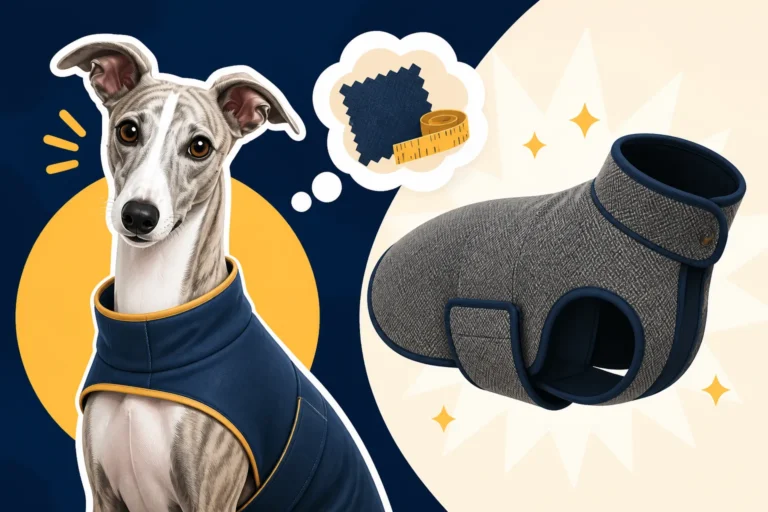
This is perhaps the most critical aspect of choosing any garment for your Whippet. Their unique body shape – deep chest, narrow waist, long elegant neck – means many standard dog coats simply won't fit properly. You'll often find them either too tight around the chest, gapping at the neck, or exposing their vulnerable underbelly. It’s a common frustration to try on coat after coat only to find it just doesn't quite work.
When shopping, always prioritize brands that cater specifically to sighthounds or offer designs with ample chest room and a significant tuck-up to accommodate their physique. Look for adjustable straps around the waist to ensure a snug, draft-free fit without restricting movement. A good coat should allow for full range of motion, from a casual trot to a full-speed sprint. Many owners wonder Which Coat Brand Fits a Whippet's Deep Chest, and often specialty sighthound retailers are the best bet. Also, consider the length; it should ideally cover their back down to the base of their tail without hindering their potty breaks. A coat that’s too short won't provide adequate warmth, while one that's too long might trip them up or get soiled. Understanding Whether a Whippet Coat Should Cover the Belly is also key for maximum warmth.
Material Matters: Comfort and Durability
The fabric a coat is made from directly impacts its warmth, breathability, and how it holds up to regular wear and tear. Different materials serve different purposes, so a varied wardrobe will have a mix of these.
For indoor wear and mild weather, soft fleeces, cotton, or jersey knits are ideal. They are comfortable against the skin, breathable, and easy to wash. For colder outdoor temperatures, you'll want something more robust. Look for materials like wool blends, quilted synthetics, or insulated softshells. These provide superior warmth. For rain protection, waterproof or water-resistant nylon or polyester is essential. Consider the lining as well; a smooth, anti-static lining will prevent friction on their delicate skin and keep their fine fur from getting matted. Durability is also a big factor. Whippets are active dogs, and their coats will endure zoomies, rolls in the grass, and possibly even playful rough-housing. Opt for fabrics that can withstand frequent washing and aren't prone to snagging or tearing easily.
Practical Considerations: Ease of Use and Care
Beyond fit and fabric, think about the practicalities of day-to-day use. A coat might be perfectly warm, but if it’s a struggle to get on and off, or a nightmare to clean, you’ll quickly grow to resent it.
Look for coats with simple, secure closures. Velcro is popular for its ease, but ensure it’s high-quality and won't wear out after a few washes. Zippers can be good but make sure there’s a fabric guard to prevent fur from getting caught. Snaps or buckles can be very durable. Reflective trim or panels are a fantastic safety feature for evening walks, making your Whippet more visible to drivers. Also, consider how easy the coat is to clean. Machine washable is almost always a must. Whippets might not roll in mud as often as some breeds, but a dirty coat still needs to be cleaned regularly to prevent skin irritation and odors. Nobody wants a coat that requires dry cleaning after every rainy walk!
Beyond the Basics: The "Actual" Number of Coats You'll Accumulate
Let’s be real. While a basic set might cover the absolute essentials, the journey of a Whippet owner inevitably leads to a much more extensive collection. It's a rite of passage, almost, to find your laundry room floor covered in various canine garments.
The Basic Starter Set: What's Truly Essential for Survival
If you're just starting out, or if you live in a mild climate, you might think you can get away with just a couple of items. And yes, for sheer survival, you probably can.
A bare-bones essential wardrobe would include:
- One well-insulated winter coat: This is for cold, wet, or windy outdoor conditions. It needs to provide substantial warmth.
- One lightweight fleece or sweater: This is for indoor warmth, mild outdoor days, or as a layering piece under the winter coat.
This minimal approach addresses the critical needs: protection from bitter cold and everyday chill. However, it quickly becomes apparent that these two items, while functional, don't cover all the nuances of a Whippet's comfort or an owner's desire to spoil them just a little bit. It's truly a starting point, not an endpoint.
The Ever-Expanding Collection: Why One Always Leads to More
Ah, the rabbit hole of Whippet coats! You start with the essentials, and then you discover a cute pattern, or a slightly different style, or a lighter weight for autumn, or an extra warm one for really frigid days. Before you know it, you've amassed a collection that rivals your own wardrobe. You're not alone in wondering How Many Sweaters a Whippet Owner Ends Up With – the answer is usually "more than they thought possible!"
Here’s how it tends to grow:
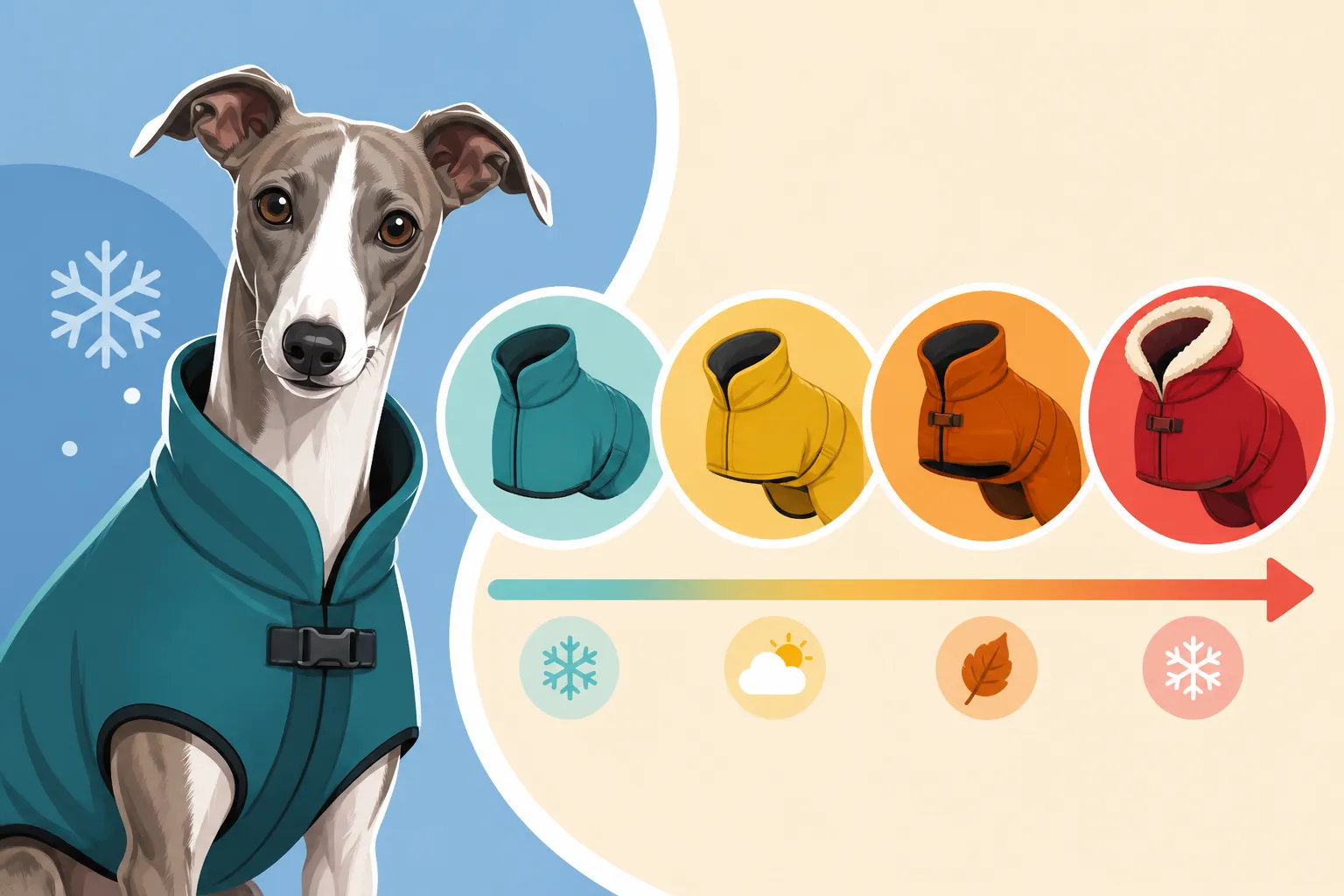
- Different weights for different temperatures: A heavy winter coat is too much for a crisp autumn day, so you need a medium-weight fleece-lined coat.
- Rain protection: A separate raincoat or a waterproof outer shell for wet weather.
- Pajamas for sleeping: Because a bare Whippet is a cold Whippet at night. You definitely want to think about Whether a Whippet Needs Pajamas for Sleeping.
- "Fashion" coats: Let's be honest, sometimes you see something adorable or perfectly suited for a holiday and you just have to get it.
- Backup coats: One in the wash? You need a spare. One got torn during a particularly enthusiastic zoomie? You need a replacement.
- Layering pieces: Sometimes, combining a thin fleece under a waterproof shell is the perfect combination for specific weather. This allows you to tailor their warmth precisely, without overheating them. Finding ways to ensure Keeping a Whippet Warm Without Overheating It is a skill every owner develops.
This expansion is driven by a genuine desire for your Whippet's comfort, combined with the sheer delight of seeing them cozy and stylish.
Budgeting for the Wardrobe: Planning for These Expenses
Building a comprehensive Whippet wardrobe isn't usually a one-time expense; it's an ongoing investment. While individual items might not break the bank, the cumulative cost can add up, especially if you're like most Whippet owners and find yourself buying more than you initially planned.
| Coat Type | Primary Use | Key Features | Typical Materials |
|---|---|---|---|
| Fleece/Sweater | Indoor warmth, mild outdoor | Soft, breathable, lightweight | Fleece, cotton, jersey |
| Pajamas | Sleeping, indoor lounging | Full-body coverage, soft, non-restrictive | Fleece, cotton |
| Winter Coat | Cold, windy, sub-freezing outdoor | Insulated, waterproof/resistant, belly coverage | Wool blends, quilted poly, softshell |
| Raincoat | Wet outdoor conditions | Lightweight, waterproof, minimal insulation | Nylon, polyester |
| Cooling Vest | Hot weather, high activity | Evaporative cooling, lightweight | Mesh, synthetic blends |
| Specialty/Recovery | Wound protection, anxiety relief | Snug fit, breathable, non-restrictive | Soft cotton, spandex blends |
When budgeting, consider the initial cost of quality items, but also factor in potential replacements over the years. A well-made coat will last longer, but even the best ones will eventually show wear and tear, especially with frequent use and washing. You might also want to set aside a small monthly amount specifically for "Whippet wardrobe" needs, just like you would for food or vet visits. While pet insurance providers like Healthy Paws primarily focus on medical needs, investing in quality gear to prevent common issues like skin tears from rough surfaces, or illnesses from cold exposure, is an indirect way of protecting your Whippet's health and your wallet in the long run.
Caring for Your Whippet's Wardrobe: Making Them Last
You’ve invested time and money into making sure your Whippet is cozy and stylish. Now, how do you keep that wardrobe in top condition? Proper care and maintenance will ensure your coats last longer, continue to perform effectively, and keep your Whippet comfortable and looking sharp.
Cleaning and Maintenance
Regular cleaning is essential for hygiene and to maintain the integrity of the materials. Just like your own clothes, Whippet coats pick up dirt, oils, and odors from daily wear.
Always check the care label on each garment. Most fleece sweaters and pajamas can be machine washed on a gentle cycle with mild detergent. For waterproof outer layers, you might need a specialized wash to preserve their water-repellent properties, avoiding harsh detergents or fabric softeners that can strip the waterproofing. Air drying is often best for many technical fabrics to prevent damage from high heat. Don't forget to address any mud or dirt stains promptly to prevent them from setting. Giving coats a good shake outdoors before bringing them inside can also help remove loose dirt and fur. If you notice any developing odors, a quick wash or a spritz with a pet-safe fabric refresher can do wonders.
Storage Solutions
With an ever-growing collection, storage can become a minor challenge. You want coats to be easily accessible, especially when you're rushing out the door, but also neatly stored when not in use.
Consider a dedicated spot for your Whippet's wardrobe. Hooks near the door are great for frequently used items like the daily walking coat or raincoat. For seasonal items, clear storage bins or hanging garment bags can keep them clean, organized, and protected from dust and pests. Make sure coats are completely dry before storing them away to prevent mildew. Rolling them rather than folding can also help prevent creases in some materials. A labeled bin for "winter coats" and another for "pajamas" can make finding the right garment a breeze, saving you precious minutes when your Whippet is doing their cold-weather shiver-dance by the door.
Repairing and Replacing
Even the best-made coats will eventually show signs of wear and tear. A small tear, a loose seam, or a weakened buckle doesn't always mean the coat is destined for the bin.
For minor issues like loose threads or small tears, a quick stitch or fabric glue can extend the life of a coat. Lost buckles or Velcro can often be replaced with new hardware. However, there comes a point when a coat is simply beyond repair or no longer provides adequate protection. If insulation is compressed and no longer keeping your Whippet warm, or if a waterproof layer has lost its efficacy and can't be restored, it's time to consider a replacement. Signs of significant wear and tear, such as thinning fabric, persistent holes, or damaged closures, are also indicators. As a general rule, if a coat is no longer fulfilling its primary function of keeping your Whippet warm and comfortable, it’s worth replacing. Investing in healthy food options like Ollie might help maintain their overall health and coat condition, but it won't mend a worn-out winter jacket!
Disclaimer
This article is for general informational purposes only and does not constitute professional advice. Laws, prices and regulations vary by location and change over time. Consult a qualified professional for guidance on your specific situation.