Cancer in a Whippet
Finding a lump on your beloved Whippet or noticing a subtle shift in their behavior can send a shiver down any owner's spine. The fear of the unknown, especially when it comes to something as serious as cancer, is a heavy burden that many of us dread facing. This comprehensive guide aims to shed light on cancer in Whippets, helping you understand the common types, recognize early warning signs, navigate diagnosis and treatment, and ultimately support your cherished sighthound through this challenging journey.
Understanding Cancer in Whippets The Basics
Just like humans, our canine companions can develop various forms of cancer. It’s a disease characterized by the uncontrolled growth and spread of abnormal cells, and unfortunately, it's one of the leading causes of death in older dogs. For Whippet owners, understanding the general landscape of canine cancer, and how it might specifically manifest in our lean, elegant friends, is the first step towards proactive care. It’s a scary topic, but knowledge is truly power when it comes to your dog's health.
Common Types of Cancer Seen in Whippets
While Whippets aren't statistically singled out for a higher prevalence of all cancers compared to other breeds, they are not immune. Certain types of cancer are more frequently observed across the canine population, and our Whippets can certainly fall victim to them. Being aware of these common forms can help you understand what your vet might be looking for.
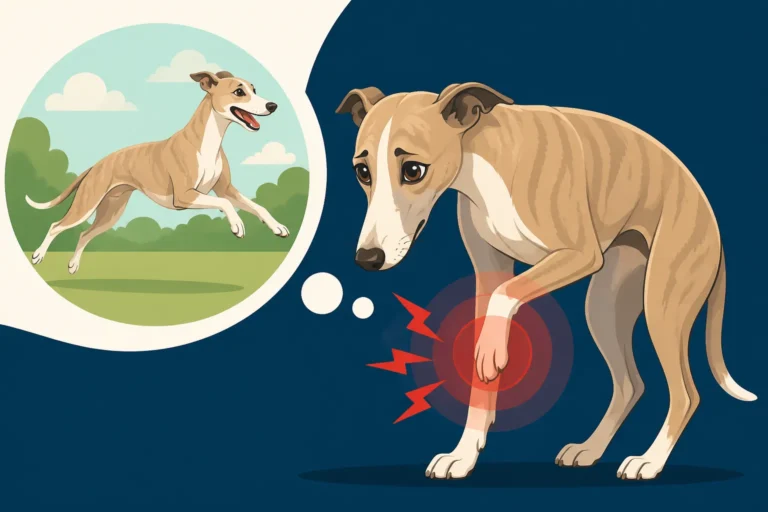
One of the most aggressive and heartbreaking cancers is Hemangiosarcoma in a Whippet, a malignant tumor of the blood vessel lining. This cancer often affects the spleen, heart, or liver, and can also appear on the skin. It’s particularly insidious because it can grow silently, sometimes causing internal bleeding before any external signs are obvious. By the time symptoms like weakness, lethargy, or a distended abdomen appear, it can often be quite advanced. Another common type is lymphoma, a cancer of the lymphatic system, which can affect lymph nodes, spleen, liver, and bone marrow. We often feel these as enlarged lymph nodes, especially around the neck, armpits, or groin. Mast cell tumors are also quite prevalent; these skin tumors can range from benign to highly aggressive. They can look like almost anything – a wart, a fatty lump, or an insect bite – making them tricky to spot without veterinary examination. Finally, osteosarcoma, a bone cancer, while more common in larger breeds, can still affect Whippets, often presenting as lameness or swelling in a limb.
Why Whippets Might Get Cancer Risk Factors
It’s natural to wonder why our dogs get sick, and with cancer, the reasons are often complex and multifactorial. There isn't usually one single cause, but rather a combination of elements that increase a Whippet's risk.
Age is undeniably the biggest risk factor. As our Whippets enter their senior years, typically after the age of eight or nine, the likelihood of cancer increases significantly. For those of us dedicated to Caring for a Whippet Past Ten, the vigilance for age-related illnesses, including cancer, becomes paramount. Their bodies, like ours, accumulate cellular damage over time, making abnormal cell replication more probable. While specific genetic predispositions for certain cancers aren't as strongly documented in Whippets as they are in some other breeds (like Golden Retrievers for lymphoma or Great Danes for osteosarcoma), genetics do play a role in overall cancer susceptibility across breeds. Reputable breeders often strive to minimize known health issues, but cancer can still appear even in well-bred lines. Environmental factors also contribute. Exposure to certain toxins, secondhand smoke, pesticides, or even excessive sun exposure on their thinly haired bellies and ears could increase risk, although direct causation is often hard to prove. It's about cumulative exposure and genetic susceptibility coming together.
Spotting the Signs Early Detection is Key
The most powerful tool we have against cancer in our Whippets is early detection. Because our sighthounds are often stoic and their symptoms can be subtle, it requires us to be observant and attuned to their normal behavior. Don't dismiss slight changes; sometimes, those are the only clues we get.
Subtle Changes to Watch For in Your Whippet
Whippets are creatures of habit, and any deviation from their normal routine or physical state should catch your eye. While these signs aren't definitive proof of cancer, they warrant a closer look by your veterinarian. One of the most common, yet often overlooked, signs is unexplained weight loss. If your Whippet is shedding pounds without a change in diet or exercise, it’s a red flag. Similarly, a decrease in appetite or pickiness with food can be significant; our Whippets are generally good eaters, so a sustained disinterest is concerning, even if they're otherwise active. Lethargy or a decrease in activity level is another key indicator. While The Whippet Is a Forty Mile an Hour Couch Potato, they still have bursts of energy. If your usually playful Whippet is suddenly reluctant to go for walks, seems less enthusiastic about their favorite toy, or just sleeps more than their usual generous amount, it’s worth investigating.
Any new or changing lumps or bumps are perhaps the most visually obvious sign. Given a Whippet's thin skin and minimal body fat, Lumps Worth Checking on a Whippet are often easy to feel. Don't assume a lump is benign just because it's soft or movable; even small, seemingly harmless growths can sometimes be malignant. Pay attention to changes in bathroom habits, such as straining to urinate or defecate, or changes in the color or consistency of urine or stool. A persistent cough, difficulty breathing, or changes in gum color can also be important. Even something as seemingly minor as a persistent foul odor from the mouth, ears, or any part of the body can sometimes be linked to underlying issues.
When to Consult Your Vet Immediately
While many subtle changes might warrant a "wait and see for a day or two" approach, certain symptoms should prompt an immediate call to your veterinarian. If you discover a lump that is rapidly growing, feels hard, or is causing your Whippet pain or discomfort, get it checked without delay. Any sudden onset of severe lethargy, collapse, unexplained bleeding (from the nose, mouth, or in urine/stool), or difficulty breathing are emergencies.
Beyond these acute signs, persistent, unresolved symptoms are always a cause for concern. If your Whippet has been experiencing mild, but ongoing, issues like decreased appetite, intermittent lameness, or mild coughing for more than a few days, it’s time for a professional opinion. Trust your gut; you know your Whippet best. If something just "feels off" to you, it's always better to err on the side of caution and schedule an appointment. Your vet would much rather tell you it’s nothing serious than for you to delay seeking care for a potentially treatable condition.
Diagnosis and Treatment Options for Whippet Cancer
Receiving a cancer diagnosis for your Whippet is devastating, but it's important to remember that significant advancements have been made in veterinary oncology. Understanding the diagnostic process and available treatment options will empower you to make informed decisions for your beloved companion.
How Vets Diagnose Cancer in Whippets
The diagnostic journey usually begins with a thorough physical examination, where your vet will feel for lumps, enlarged lymph nodes, and assess your Whippet's overall condition. This will often be followed by a series of tests tailored to the suspected type of cancer. Bloodwork, including a complete blood count (CBC) and biochemistry panel, is a standard initial step. While The Bloodwork Numbers That Look Wrong on a Healthy Whippet can sometimes be misleading in sighthounds, certain changes can indicate underlying disease. For instance, anemia or abnormal white blood cell counts might point towards certain cancers.
Imaging techniques are crucial. X-rays can detect tumors in the chest or abdomen, or identify bone lesions characteristic of osteosarcoma. Ultrasounds provide detailed views of internal organs, allowing the vet to examine structures like the spleen, liver, or kidneys for masses. For a more precise diagnosis, a biopsy is often necessary. This involves taking a small tissue sample from the suspicious area, which is then sent to a veterinary pathologist for microscopic examination. This is the definitive way to determine if a growth is cancerous, and if so, what type it is and how aggressive it might be. In some cases, advanced imaging like CT scans or MRIs might be recommended, particularly before surgery or for complex tumors. Whether a Whippet Needs Pre Anesthetic Bloodwork will almost certainly be a discussion point if any diagnostic or treatment procedures require sedation.
Available Treatments and Management Strategies
The treatment plan for cancer in a Whippet will depend heavily on the type of cancer, its stage, location, and your dog's overall health. There isn't a one-size-fits-all approach, and your veterinary oncologist will work with you to devise the best course of action.
Surgery is often the first line of defense for localized tumors that can be safely removed. This can offer a cure for some cancers, especially if caught early. Chemotherapy involves administering drugs to kill cancer cells and can be used to treat systemic cancers (like lymphoma) or as an adjunct to surgery to reduce the risk of recurrence. Unlike human chemotherapy, canine chemo protocols are generally designed to maintain a good quality of life, with fewer severe side effects. Radiation therapy uses high-energy beams to destroy cancer cells, often used for tumors that are difficult to remove surgically or to shrink tumors to alleviate pain. Beyond these traditional approaches, palliative care focuses on managing pain and symptoms to ensure your Whippet remains comfortable, even if a cure isn't possible. This might involve pain medications, anti-inflammatories, or other supportive therapies. Some owners also explore complementary or holistic approaches, though these should always be discussed with your vet and used in conjunction with, not instead of, conventional veterinary treatment.
Financial Considerations and Pet Insurance
Let's be realistic: cancer treatment can be expensive. From the initial diagnostics like bloodwork, X-rays, and biopsies, to surgery, chemotherapy sessions, and ongoing medications, the costs can quickly add up. A Cardiology Referral Costs a Whippet Owner a significant amount, and many cancer cases will involve specialists. This financial burden is a huge stressor for many pet owners, adding to the emotional toll of dealing with a sick pet.
This is where pet insurance can truly be a lifesaver. Providers like Healthy Paws offer comprehensive plans that can cover a significant portion of these unexpected veterinary expenses. Having pet insurance can allow you to make treatment decisions based on what's best for your Whippet's health and prognosis, rather than being constrained by your budget. It's an investment that can provide immense peace of mind. While insurance typically doesn't cover pre-existing conditions, enrolling your Whippet when they are young and healthy means you'll have coverage in place should cancer or other serious illnesses arise later in life. It really helps soften the blow of a vet bill that could easily run into thousands of dollars over the course of treatment, freeing you up to focus on your Whippet's comfort and recovery.
Supporting Your Whippet Through Cancer
A cancer diagnosis doesn't just impact your Whippet physically; it affects their emotional well-being and, of course, yours. Providing comfort, love, and maintaining their quality of life become paramount.
Maintaining Quality of Life
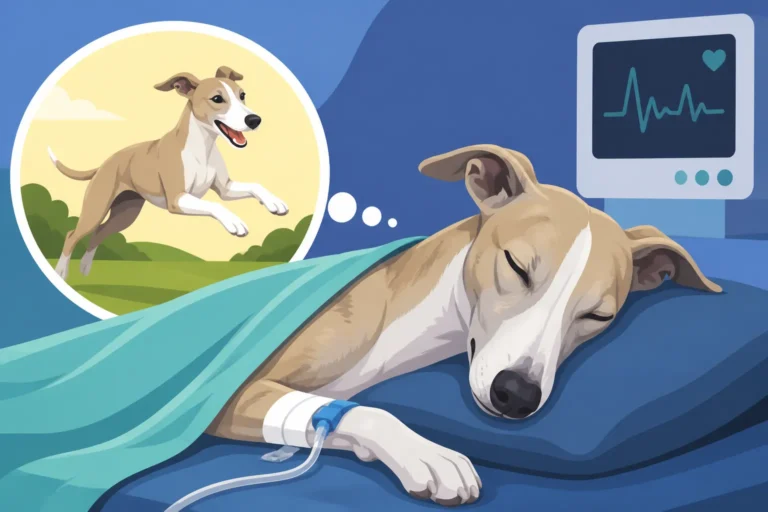
Throughout diagnosis and treatment, your Whippet's comfort and happiness should be the top priority. This often means adjusting their environment and routine to accommodate their needs. Soft, supportive bedding is essential, especially for a thin-skinned Whippet undergoing treatment. They need comfortable spots to rest, free from pressure points. The Beds a Whippet Owner Keeps Buying are not just for aesthetic appeal; they are vital for their well-being. Look for orthopedic beds or those with memory foam that can cradle their joints and provide warmth.
Nutrition can become a challenge. Cancer can cause changes in appetite or metabolism, so Feeding an Old Whippet (or one undergoing cancer treatment) might require some creativity. Your vet or a veterinary nutritionist can offer guidance on special diets or supplements to help maintain their strength and weight. Gentle exercise, appropriate to their energy levels and condition, is still important for mental and physical well-being. Short, sniffy walks can provide enrichment without overexertion. Mental stimulation through puzzle toys or gentle training sessions can also keep their minds engaged. And, of course, keeping a Whippet warm without overheating It is always important, but even more so for a compromised dog. Snug sweaters, blankets for burrowing, and a warm sleeping area are vital, particularly for a breed with so little natural insulation. Caring for an Old Whippet That Feels the Cold is a constant consideration, and it becomes even more critical during illness.
The Emotional Toll on Owners
Let's be honest, dealing with a cancer diagnosis in your beloved Whippet is profoundly heartbreaking. It’s okay to feel overwhelmed, sad, angry, or even guilty. These are all normal reactions to such a devastating situation. You are not alone in these feelings.
Seek support from trusted friends, family, or even online communities of sighthound owners who have walked a similar path. Sharing your fears and experiences can be incredibly cathartic. Your veterinarian and their staff can also be a wonderful source of emotional support and practical advice. They understand the bond you share with your pet. Making difficult decisions, such as whether to pursue aggressive treatment or opt for palliative care, is one of the hardest parts of this journey. It's crucial to have open and honest conversations with your vet about prognosis, quality of life, and what Knowing When an Old Whippet Has Had Enough means for your individual dog and family. Focus on cherishing every moment, providing love and comfort, and making choices that ensure your Whippet's remaining time is filled with as much joy and dignity as possible.
Comparison of Common Whippet Cancers
To give you a clearer overview of some of the cancers Whippets, and dogs in general, commonly face, here's a quick comparison. Remember, this is a general guide; every case is unique.
| Cancer Type | Common Signs | Typical Affected Areas | General Prognosis (Untreated) | Treatment Options (General) |
|---|---|---|---|---|
| Hemangiosarcoma | Lethargy, weakness, pale gums, abdominal distension, collapse | Spleen, heart, liver, skin | Poor, often aggressive and metastatic | Surgery, chemotherapy (often for palliation) |
| Lymphoma | Enlarged lymph nodes (neck, armpit, groin), lethargy, weight loss, decreased appetite | Lymph nodes, spleen, liver, bone marrow, GI tract | Variable, but often good response to chemo, not cure | Chemotherapy (mainstay), sometimes radiation or surgery |
| Mast Cell Tumor | Skin lumps (can vary in appearance), redness, itching, swelling | Skin, internal organs (spleen, liver) | Variable (Grade I-III), can be aggressive and spread | Surgery (if localized), radiation, chemotherapy, targeted drugs |
| Osteosarcoma | Lameness, swelling/pain in a limb, reluctance to bear weight | Long bones (legs) | Poor, highly metastatic | Amputation, chemotherapy, pain management |
Disclaimer
This article is intended for informational purposes only and does not constitute veterinary medical advice. Always consult with a qualified veterinarian for any health concerns or before making any decisions about your Whippet's care or treatment. The information provided here should not be used as a substitute for professional veterinary diagnosis or treatment.